THE NEW ICELAND
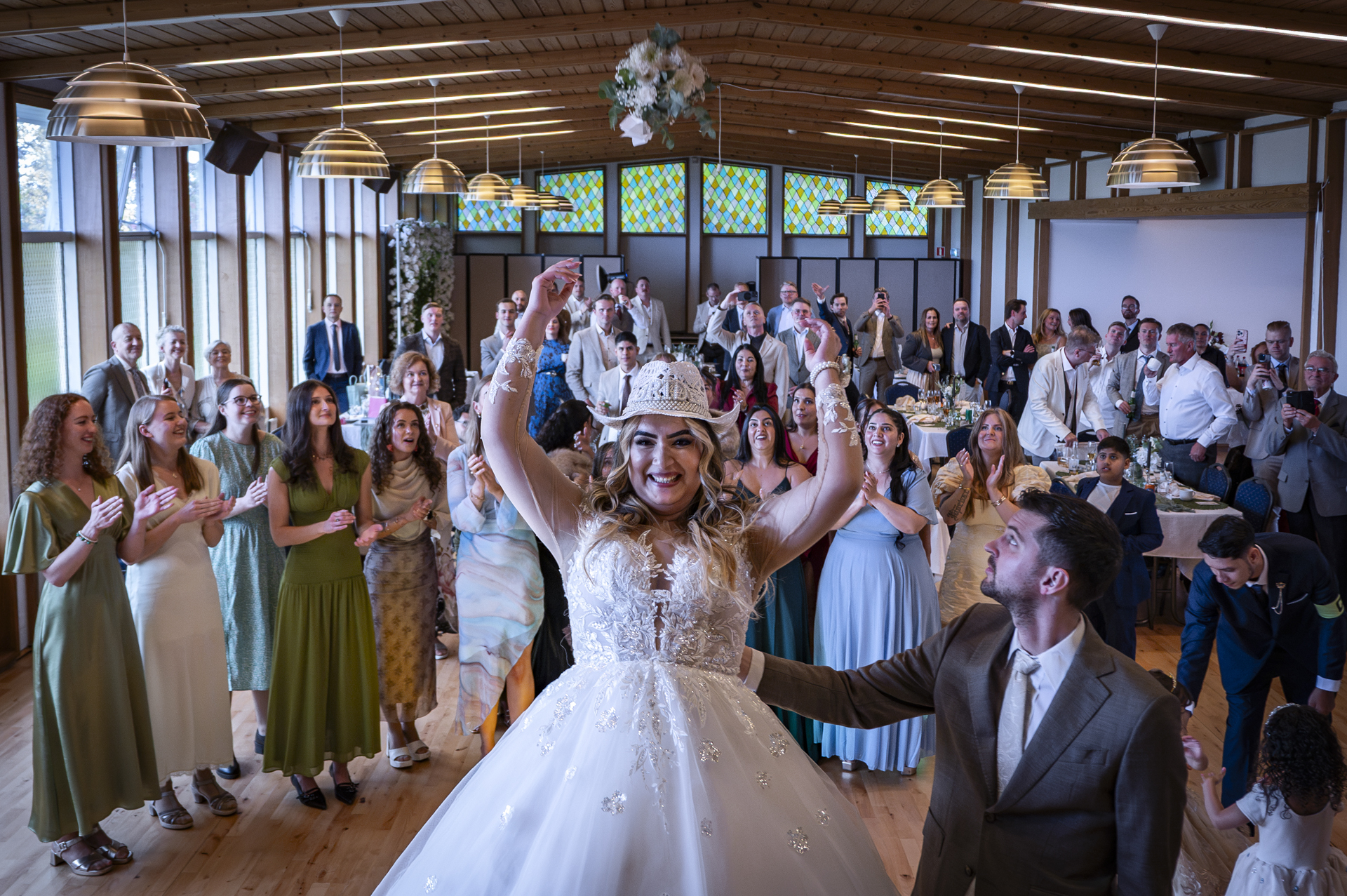
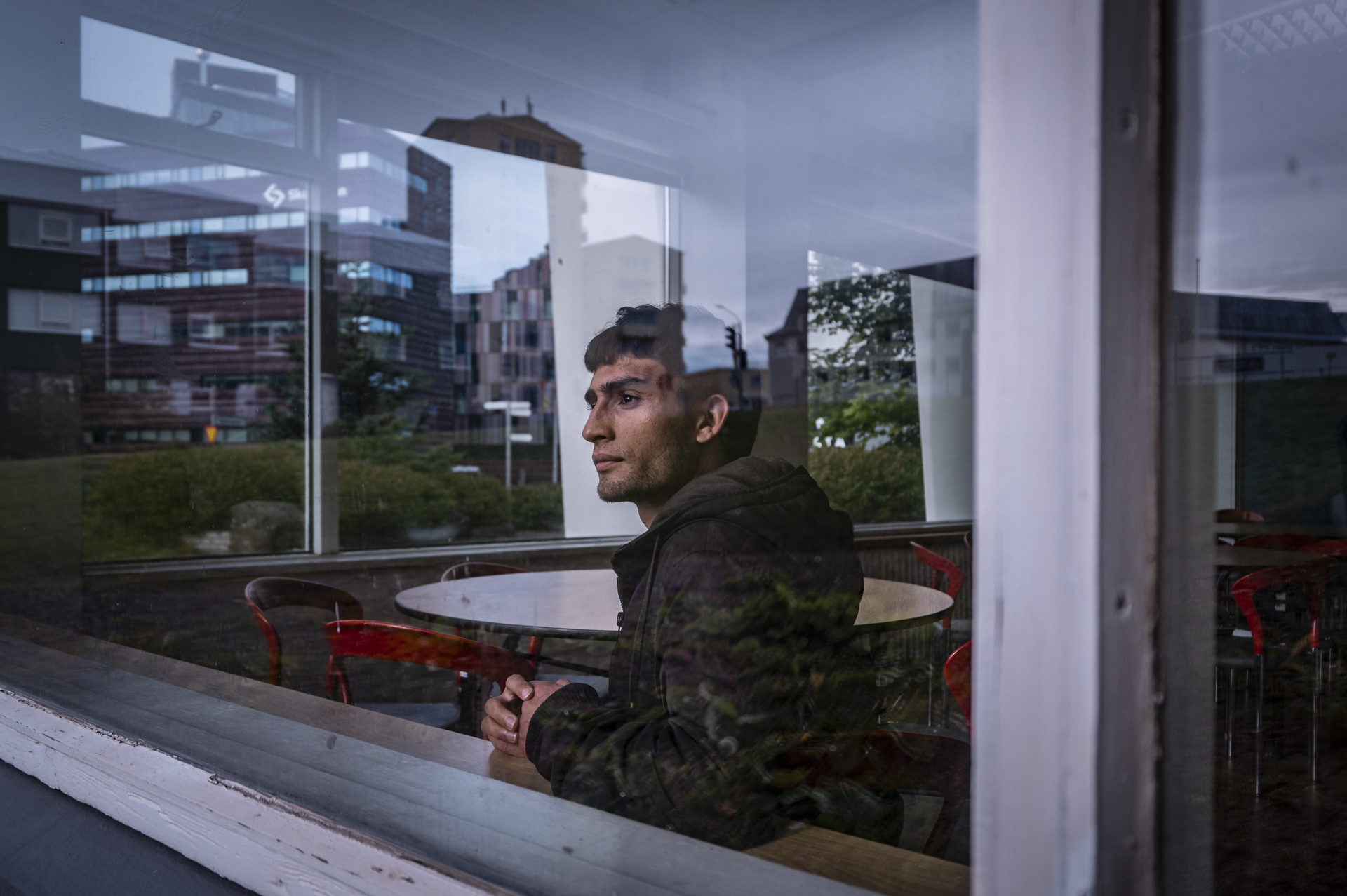
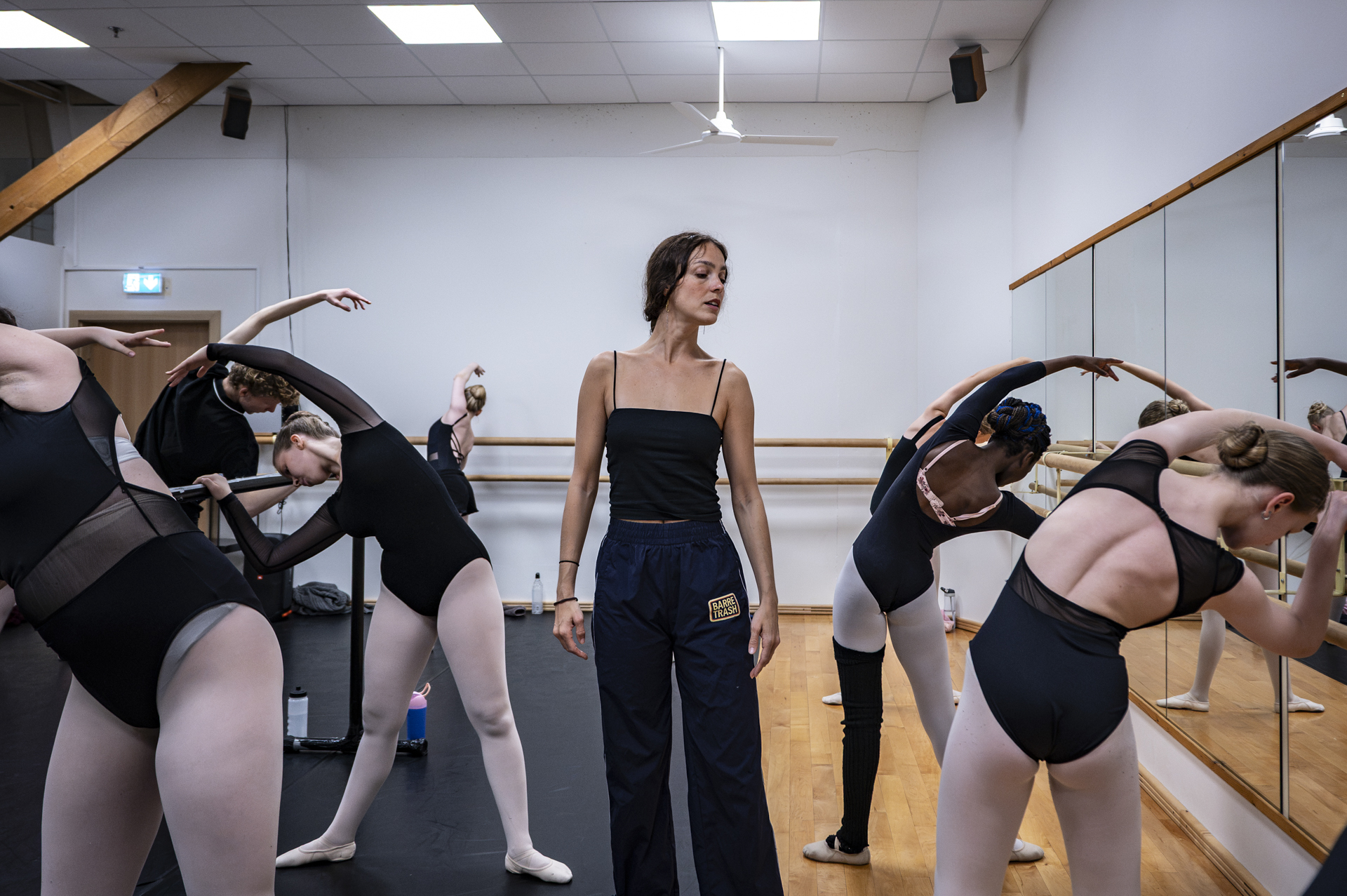
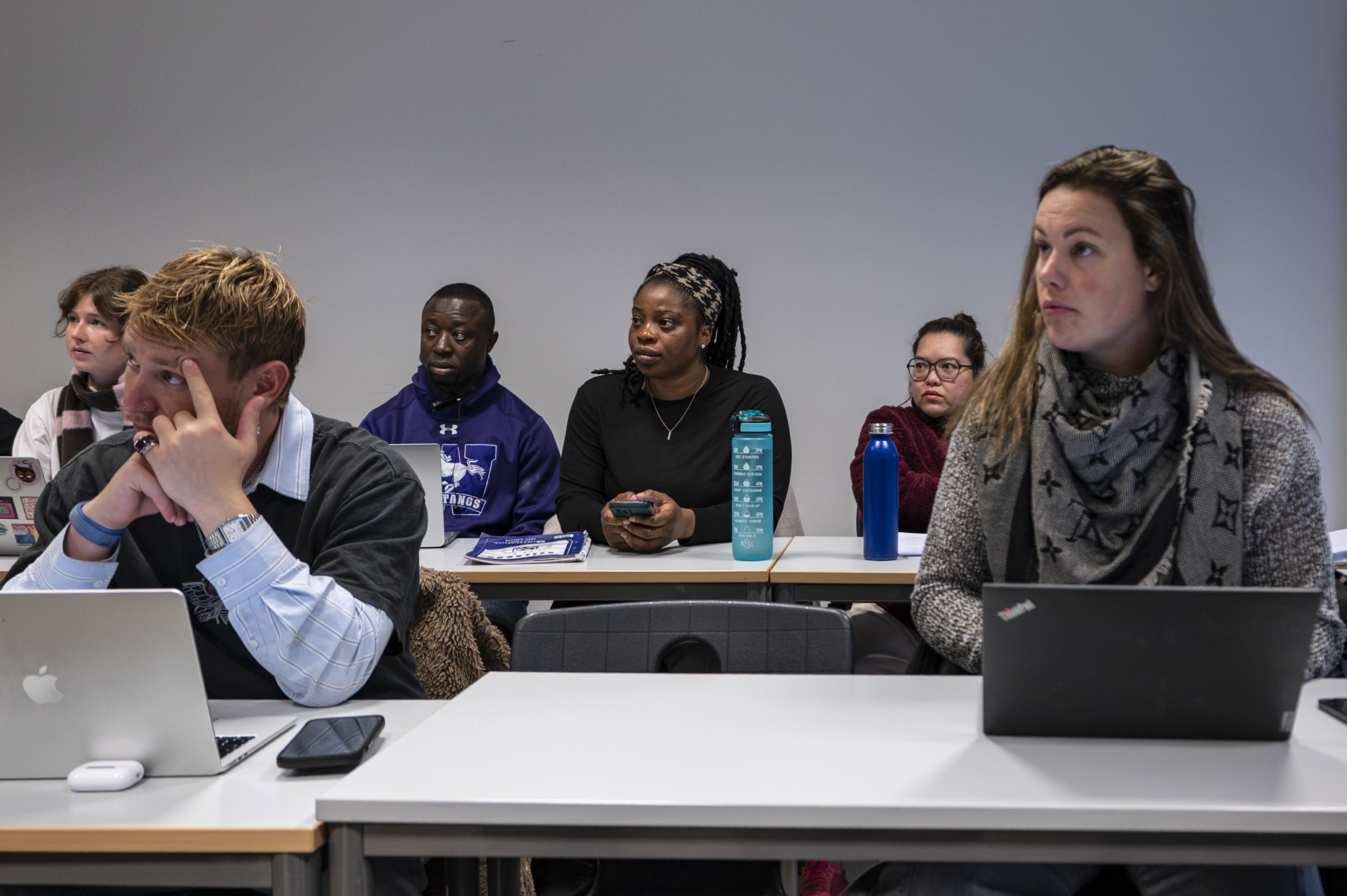
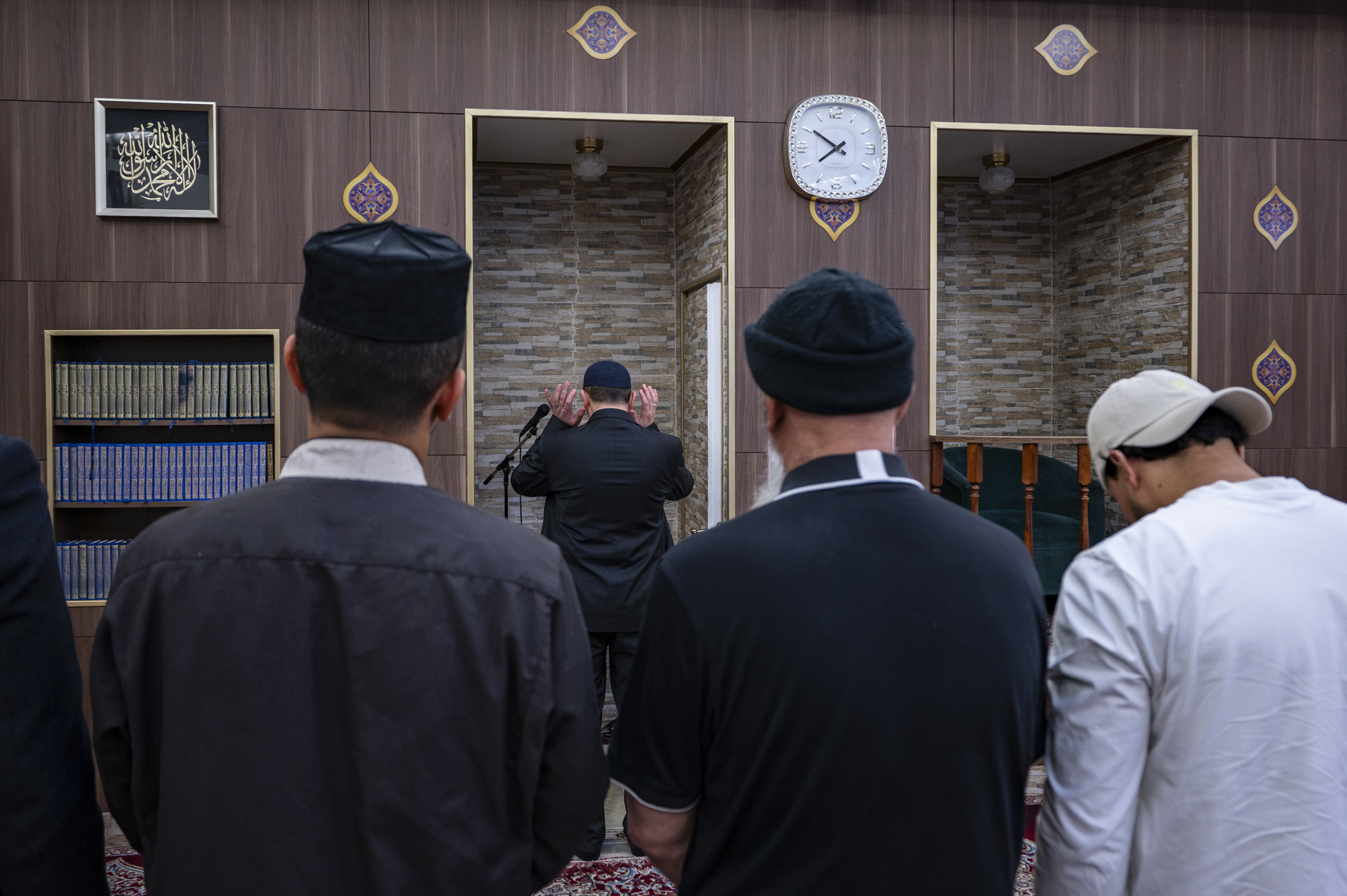
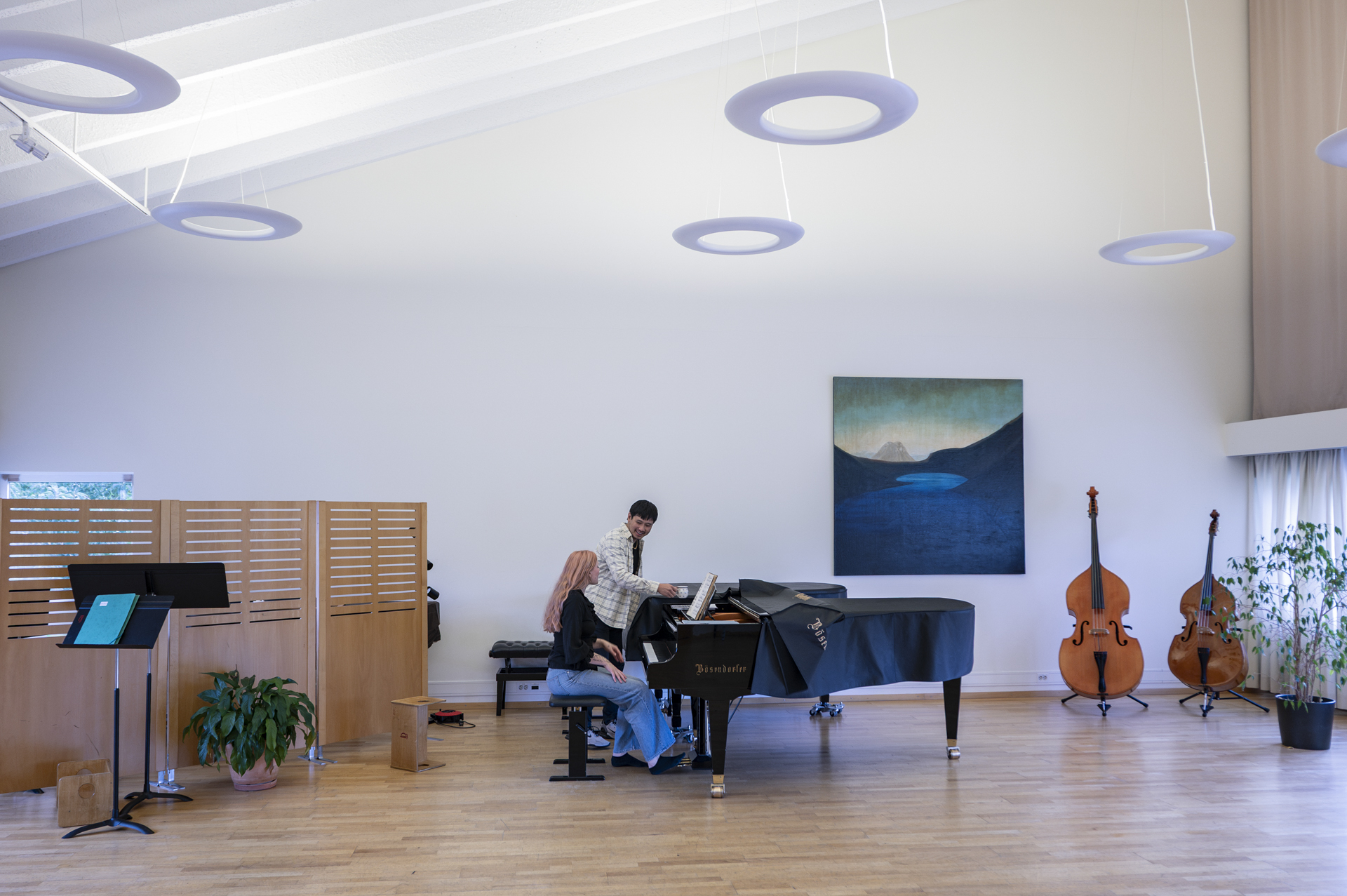
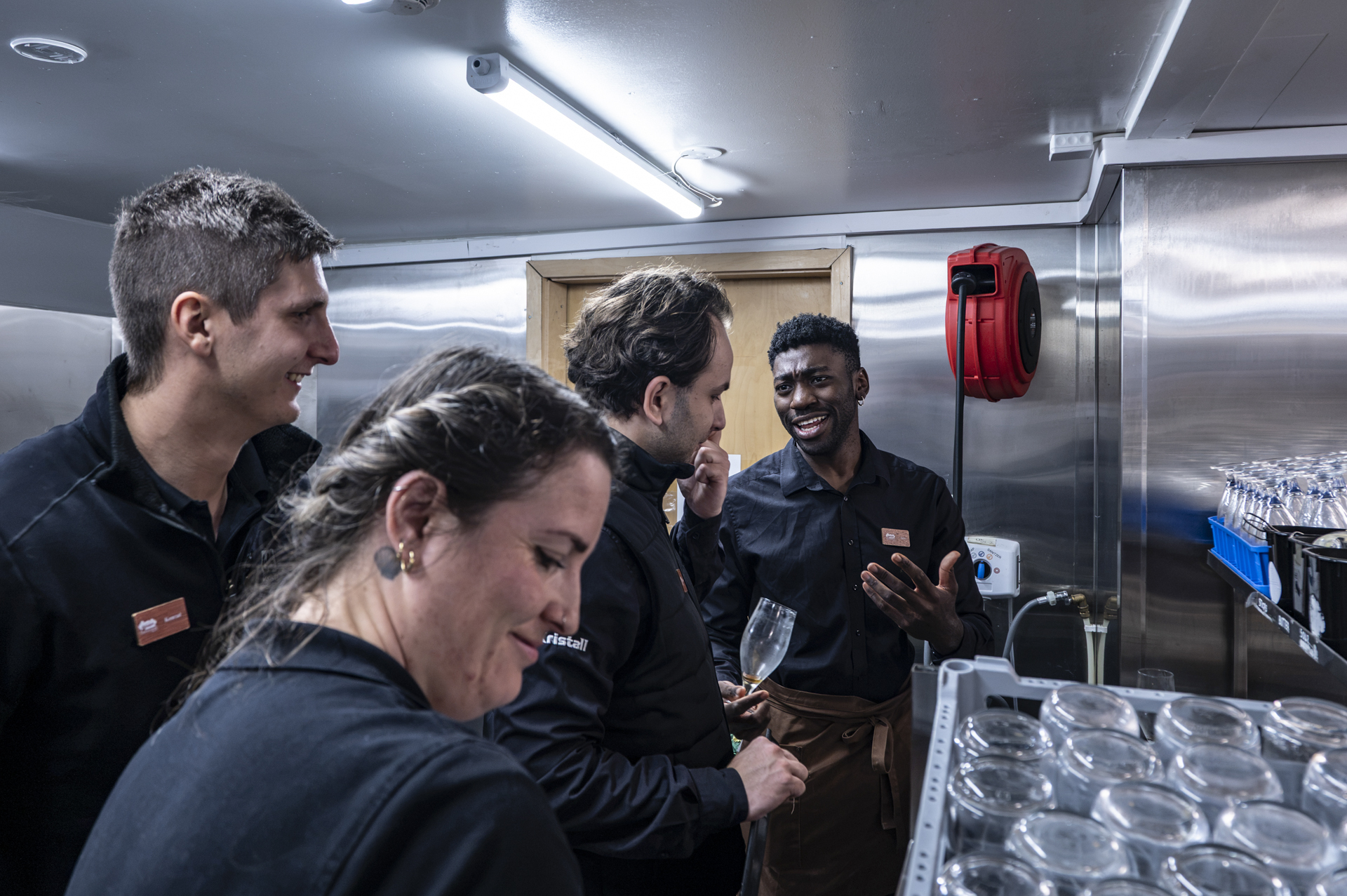
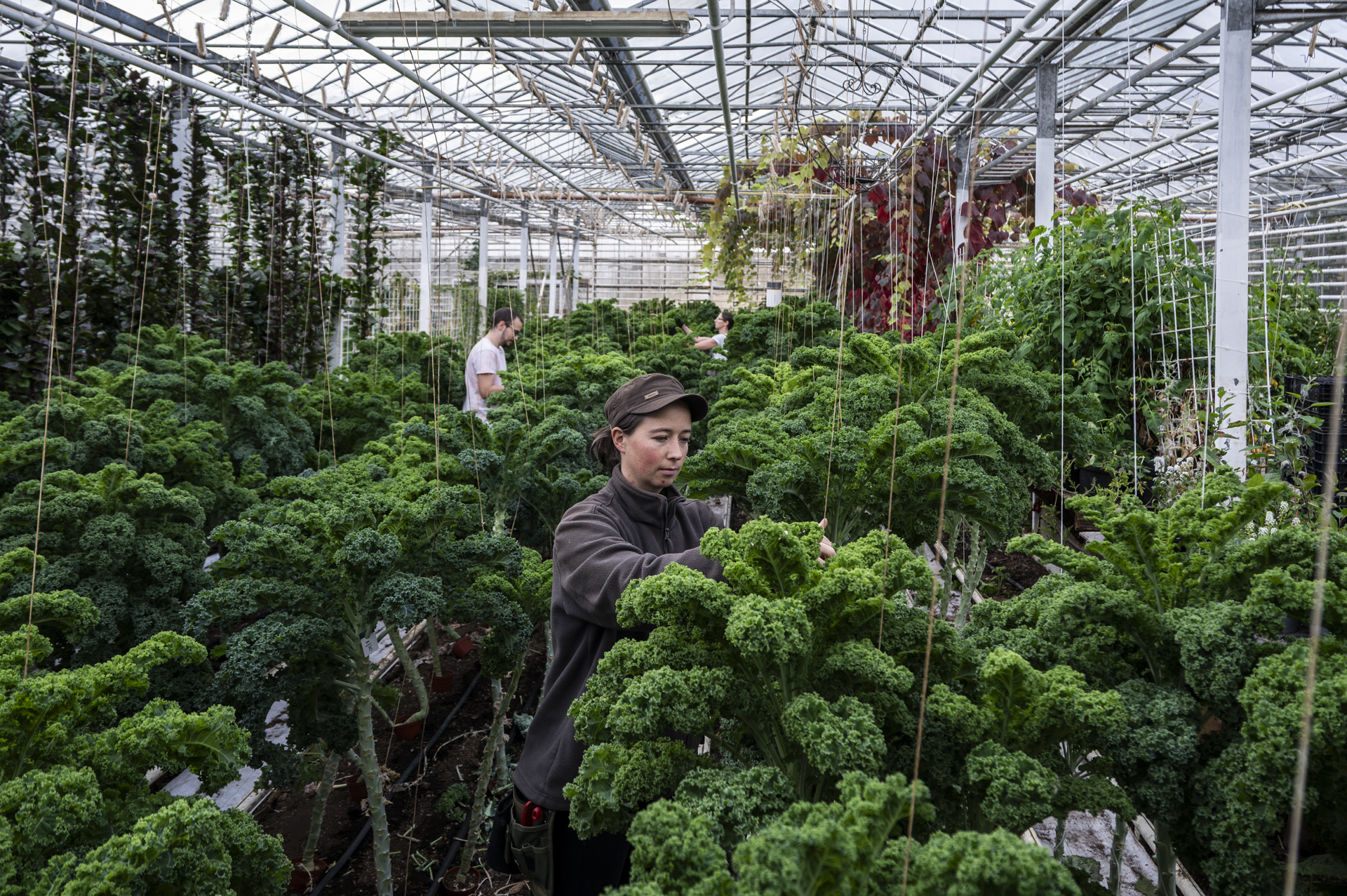
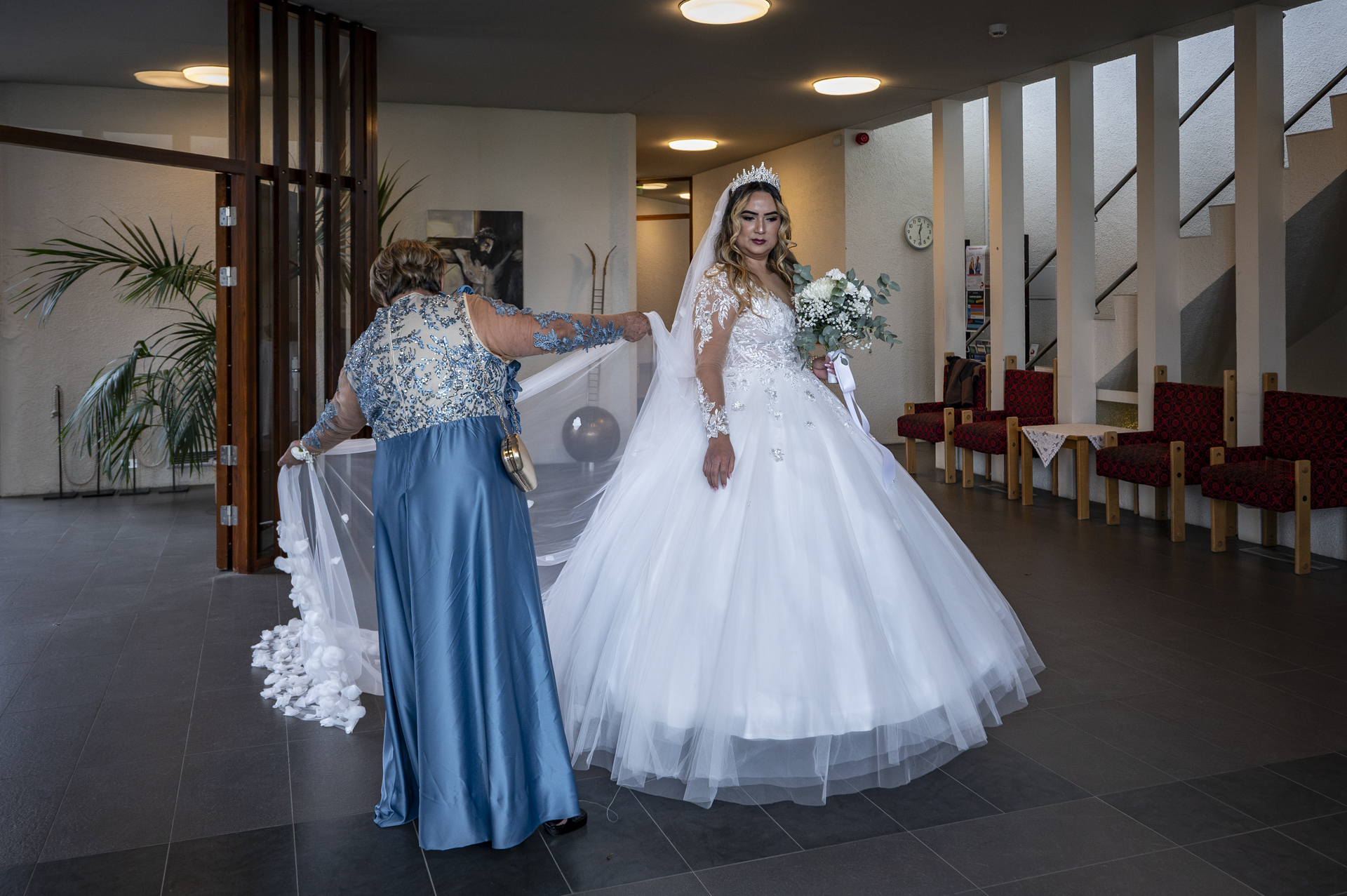
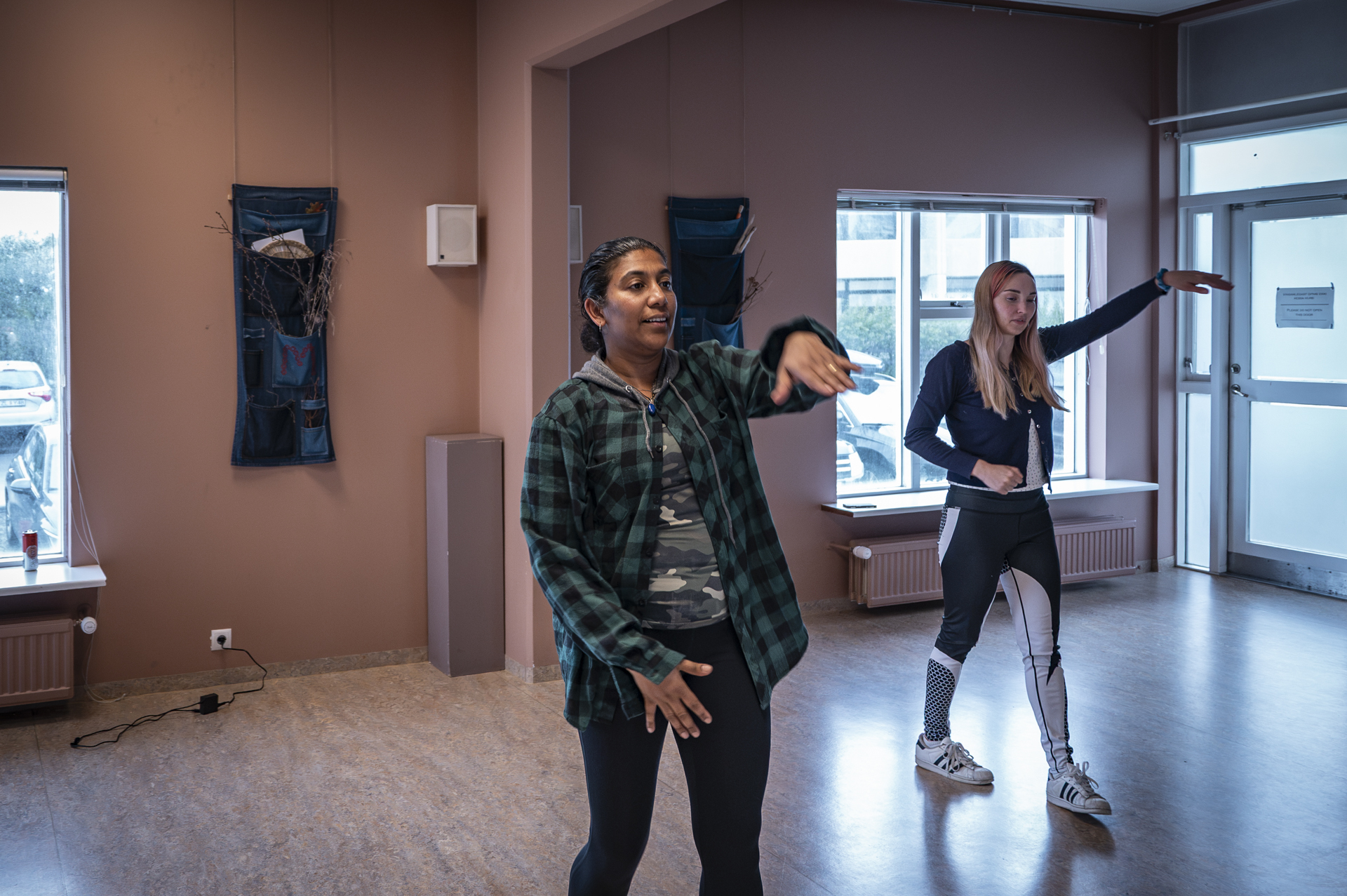
On this Arctic island, immigrants have grown from 5 to 20 percent of the population in just twenty years. Iceland has become a small laboratory for the future. What happens when a small, cohesive and historically homogeneous European nation suddenly becomes multicultural?
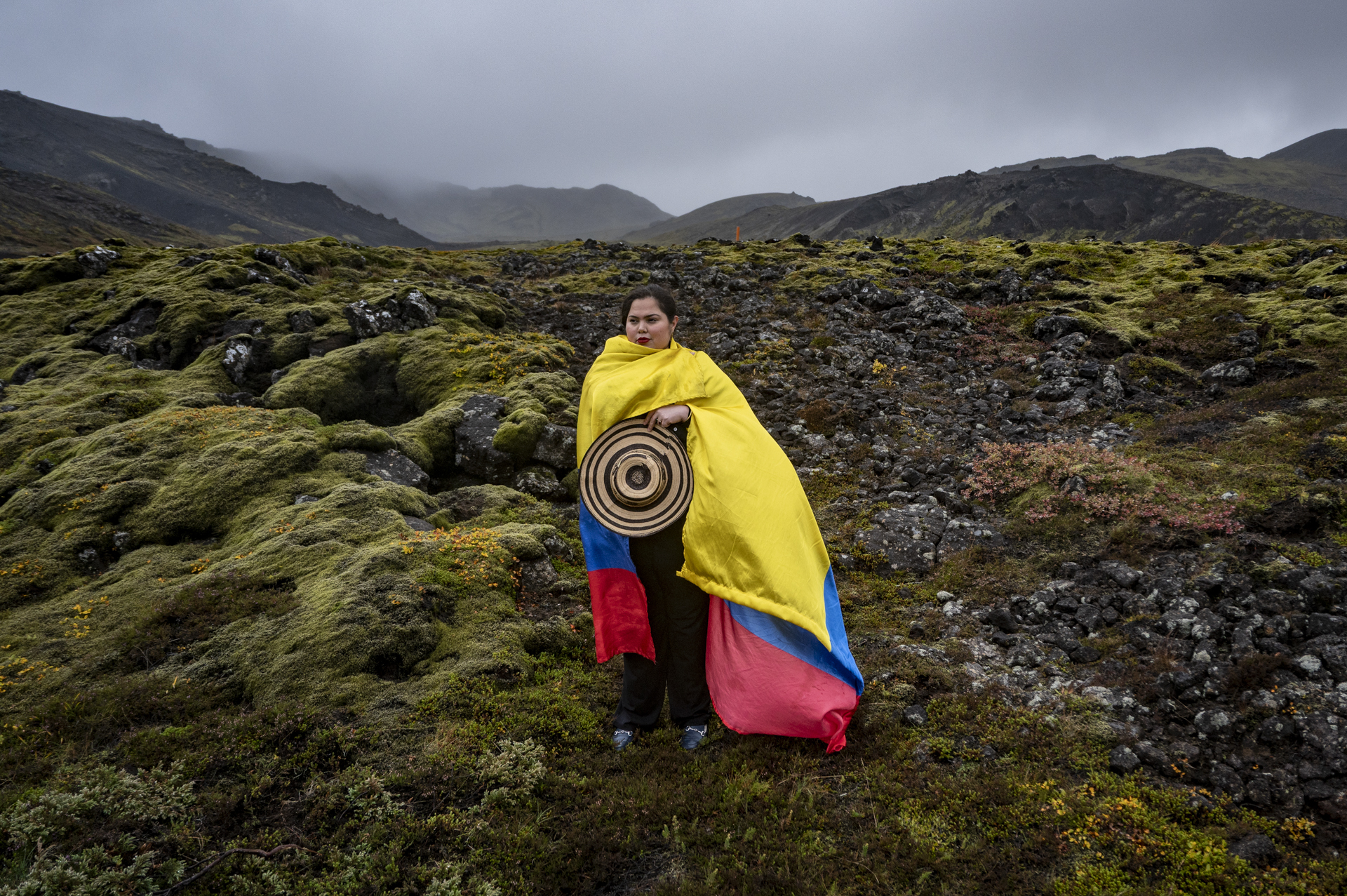
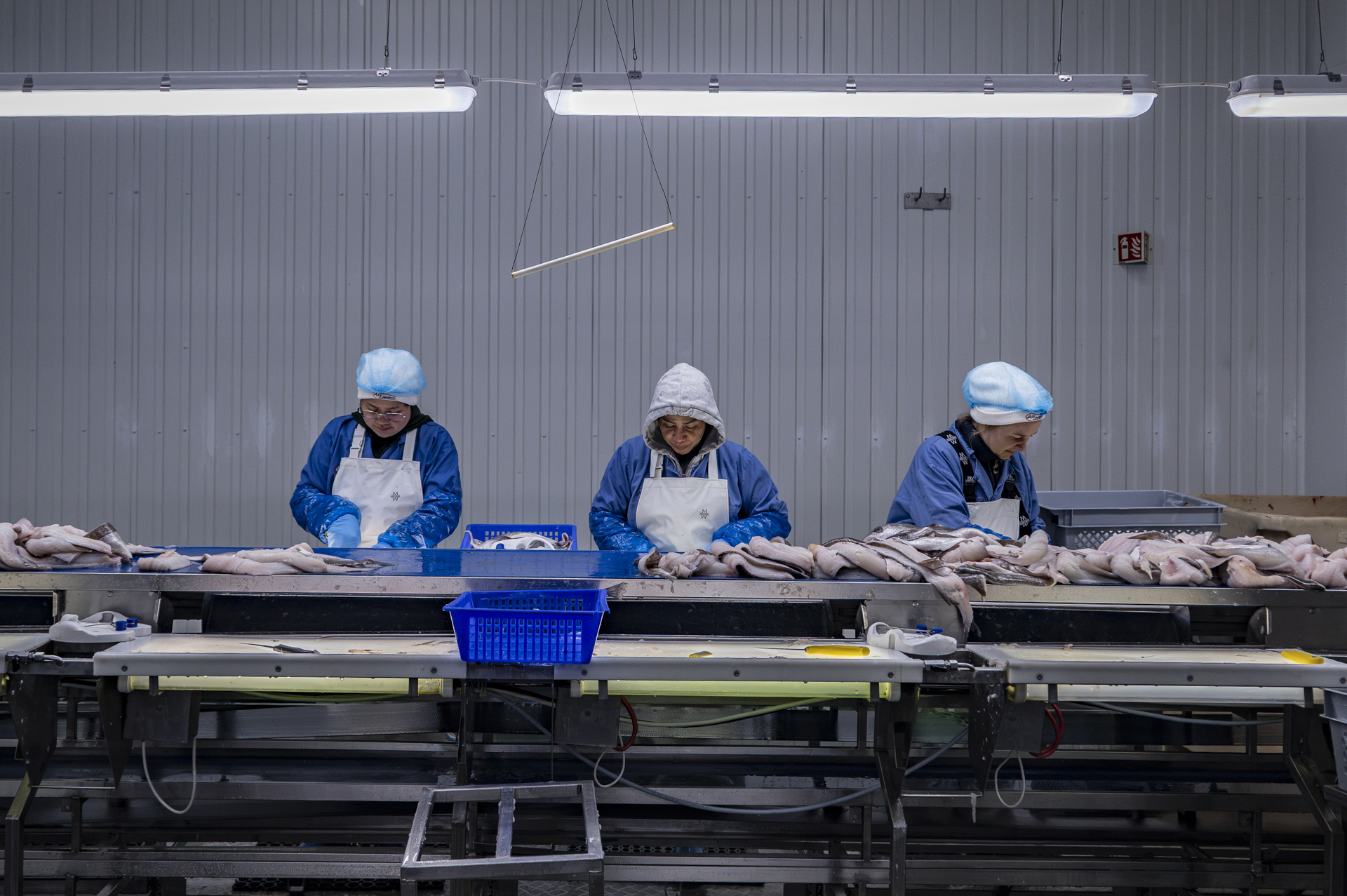
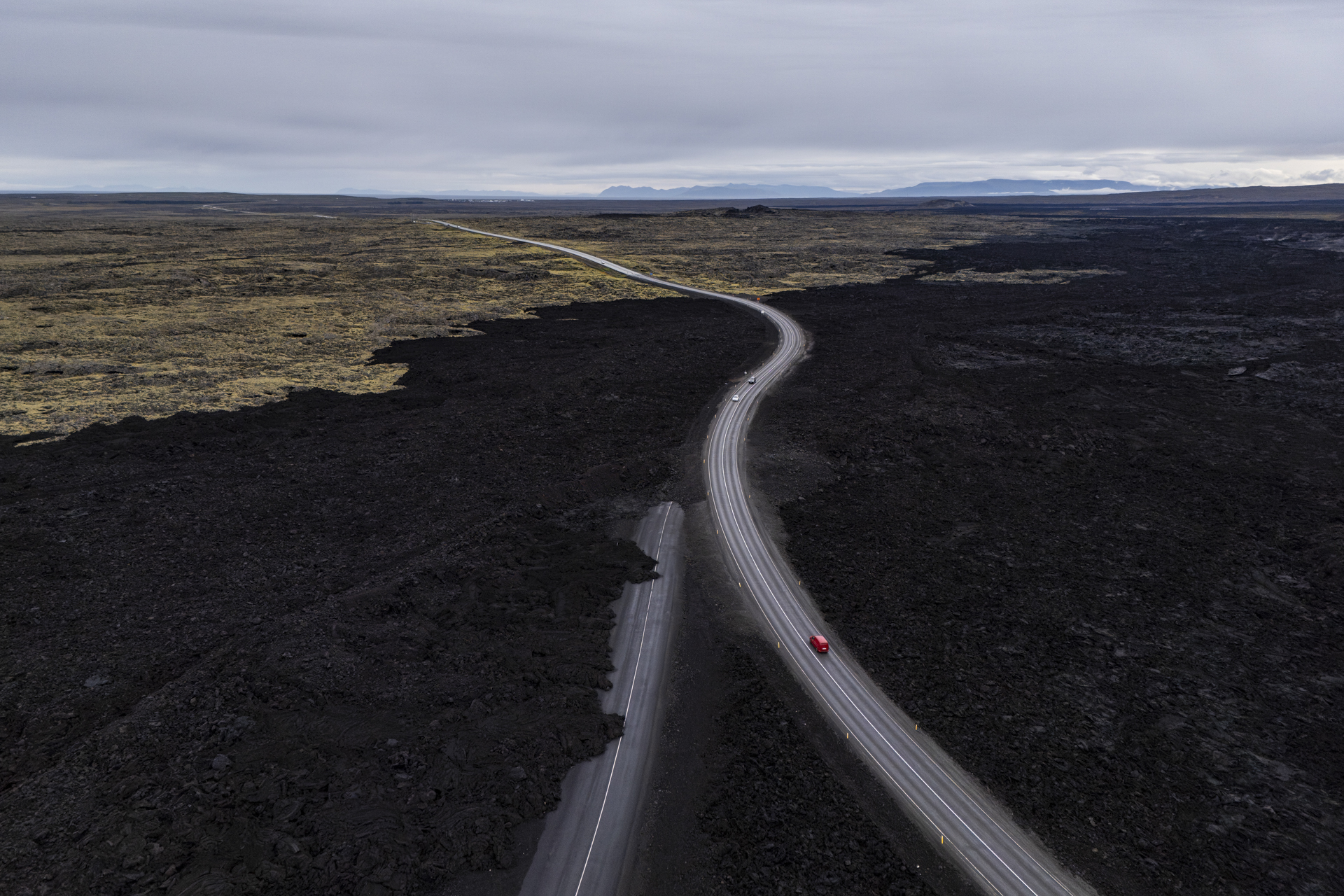
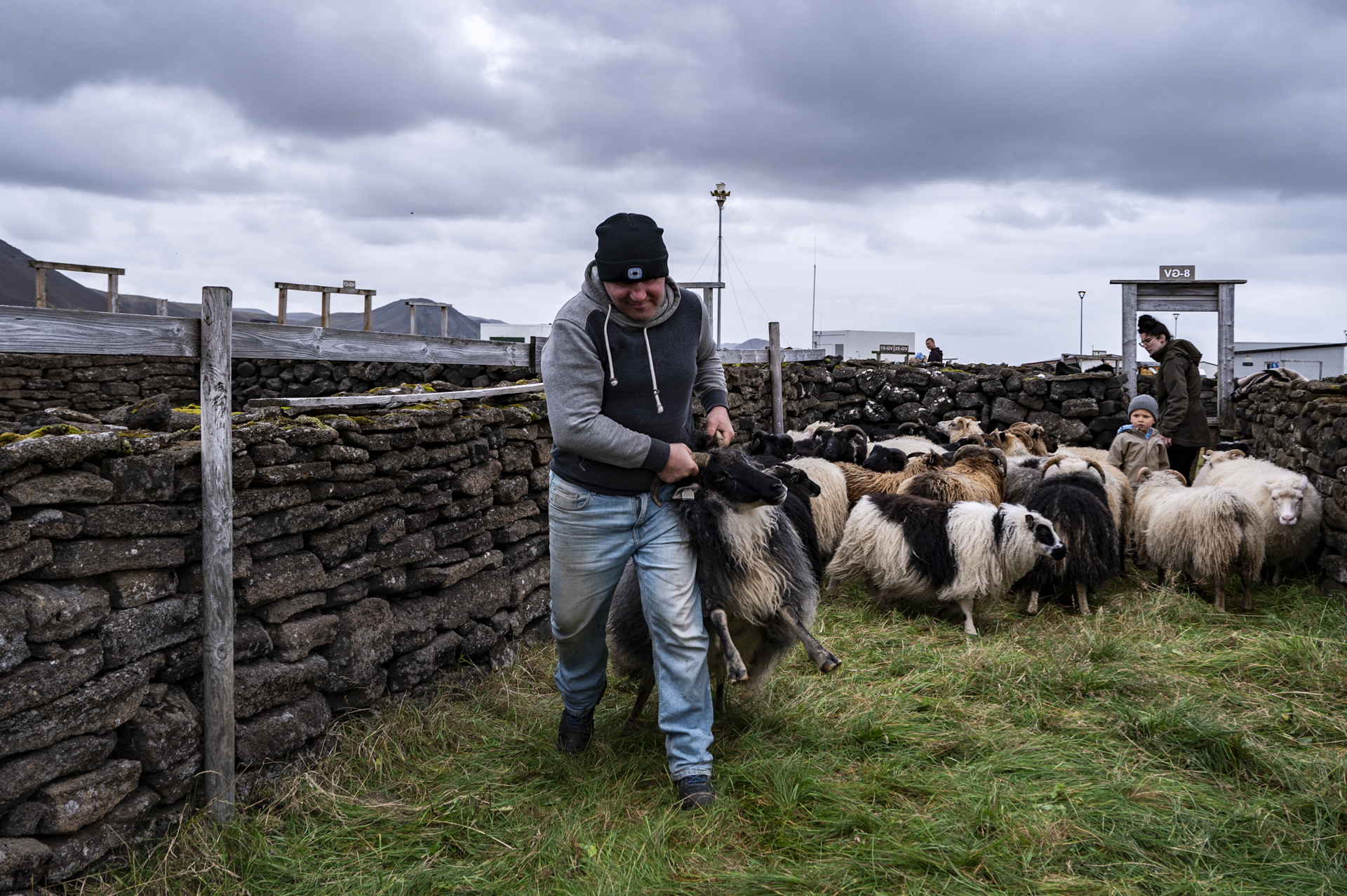
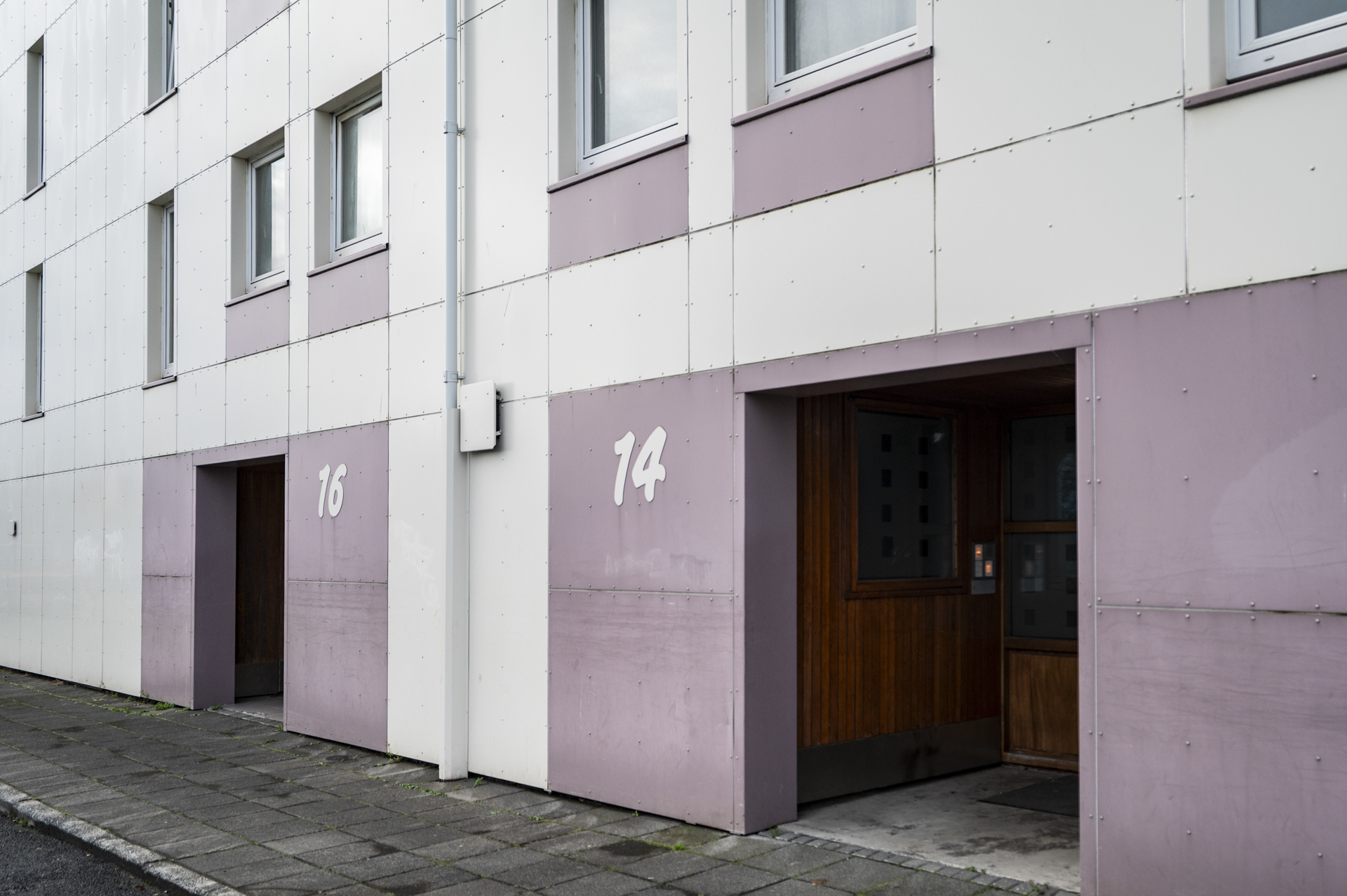
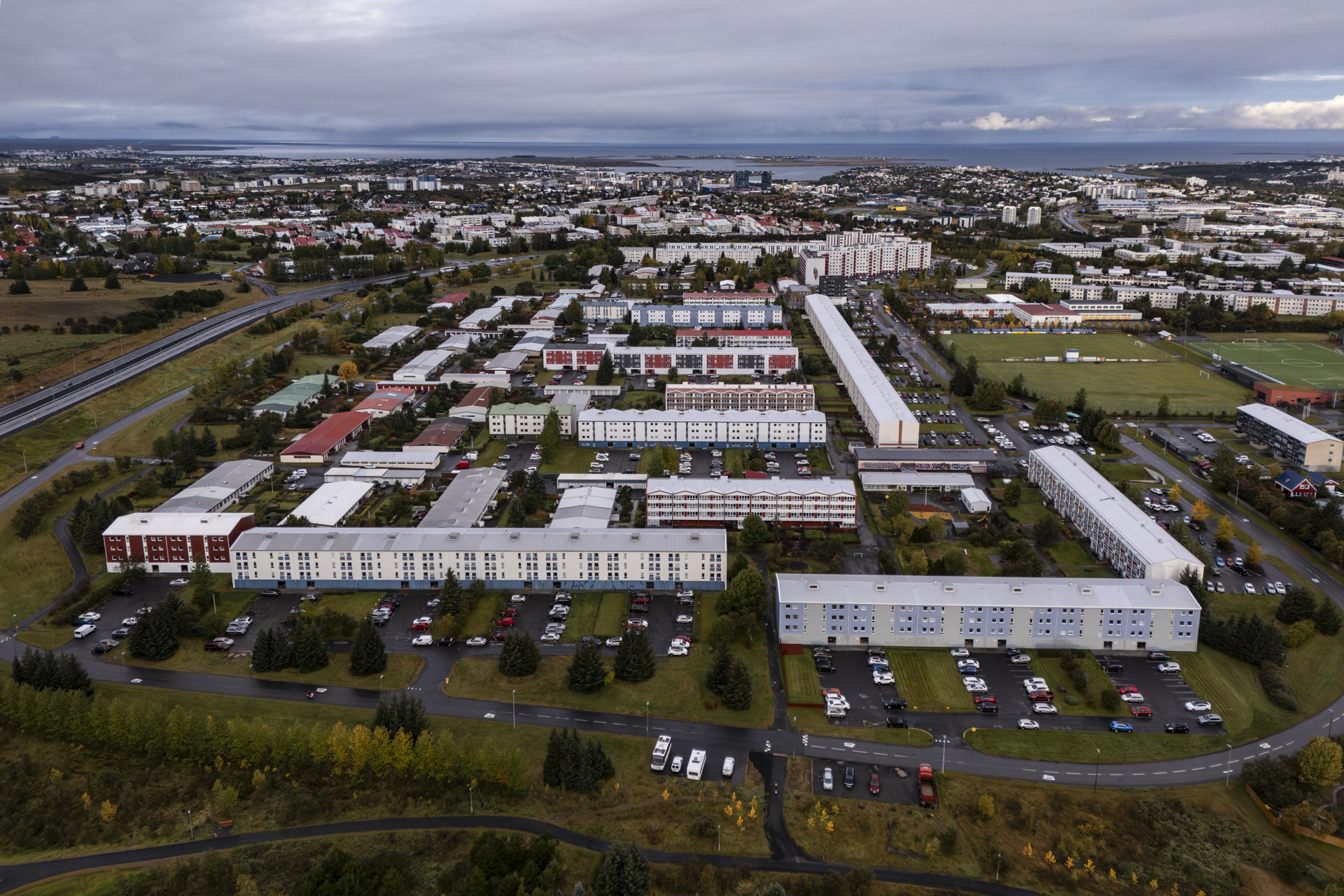
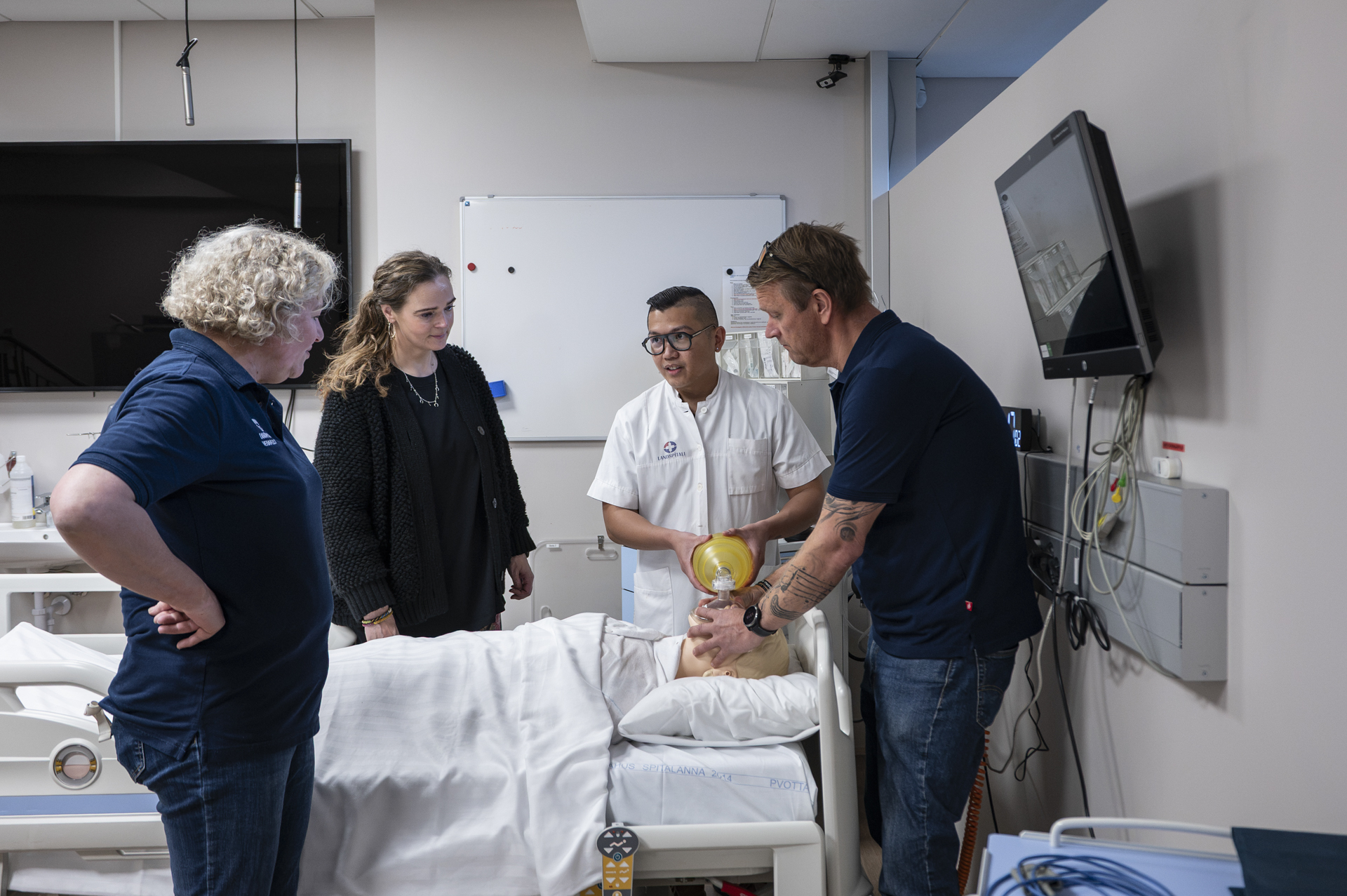
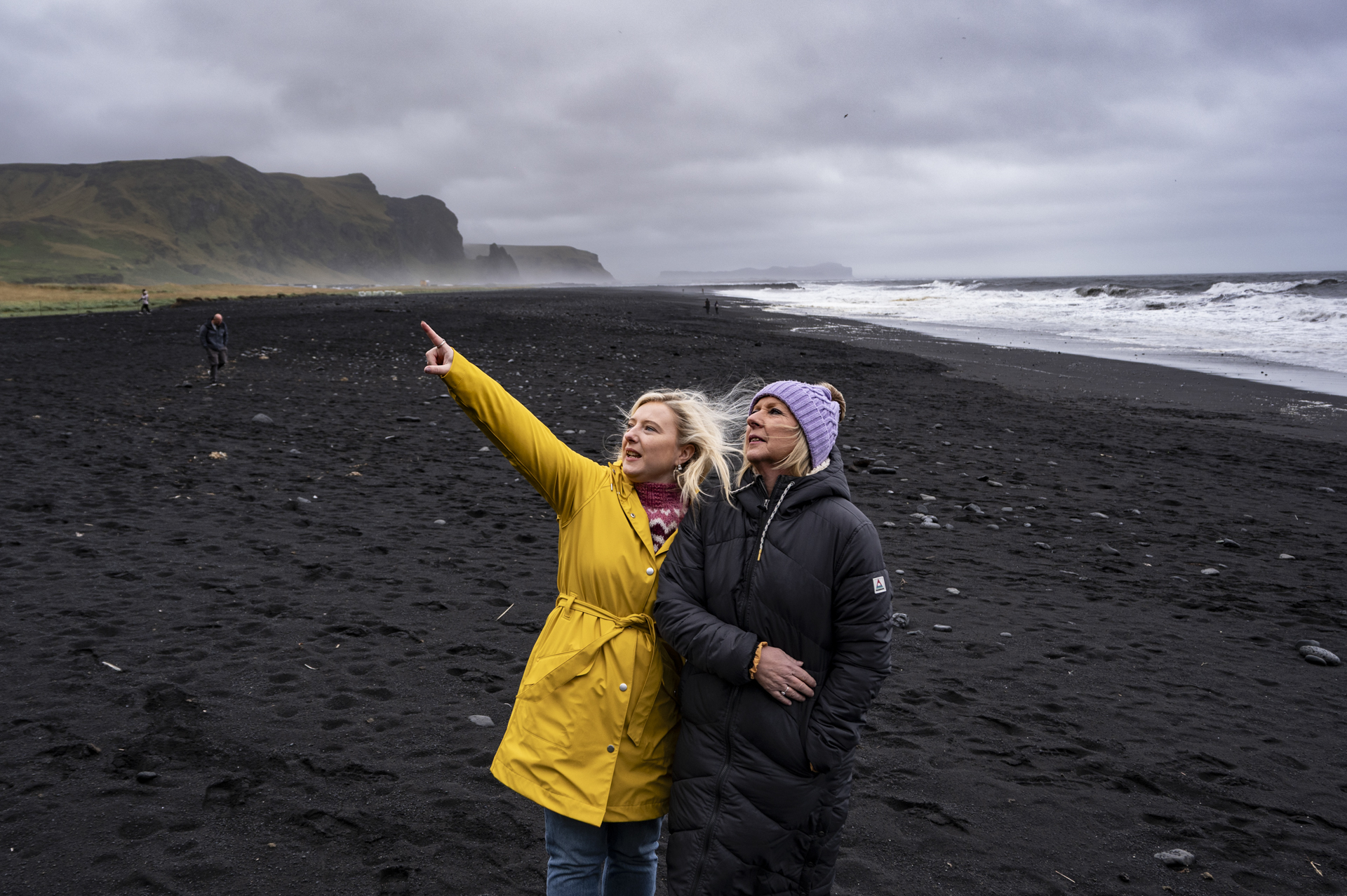
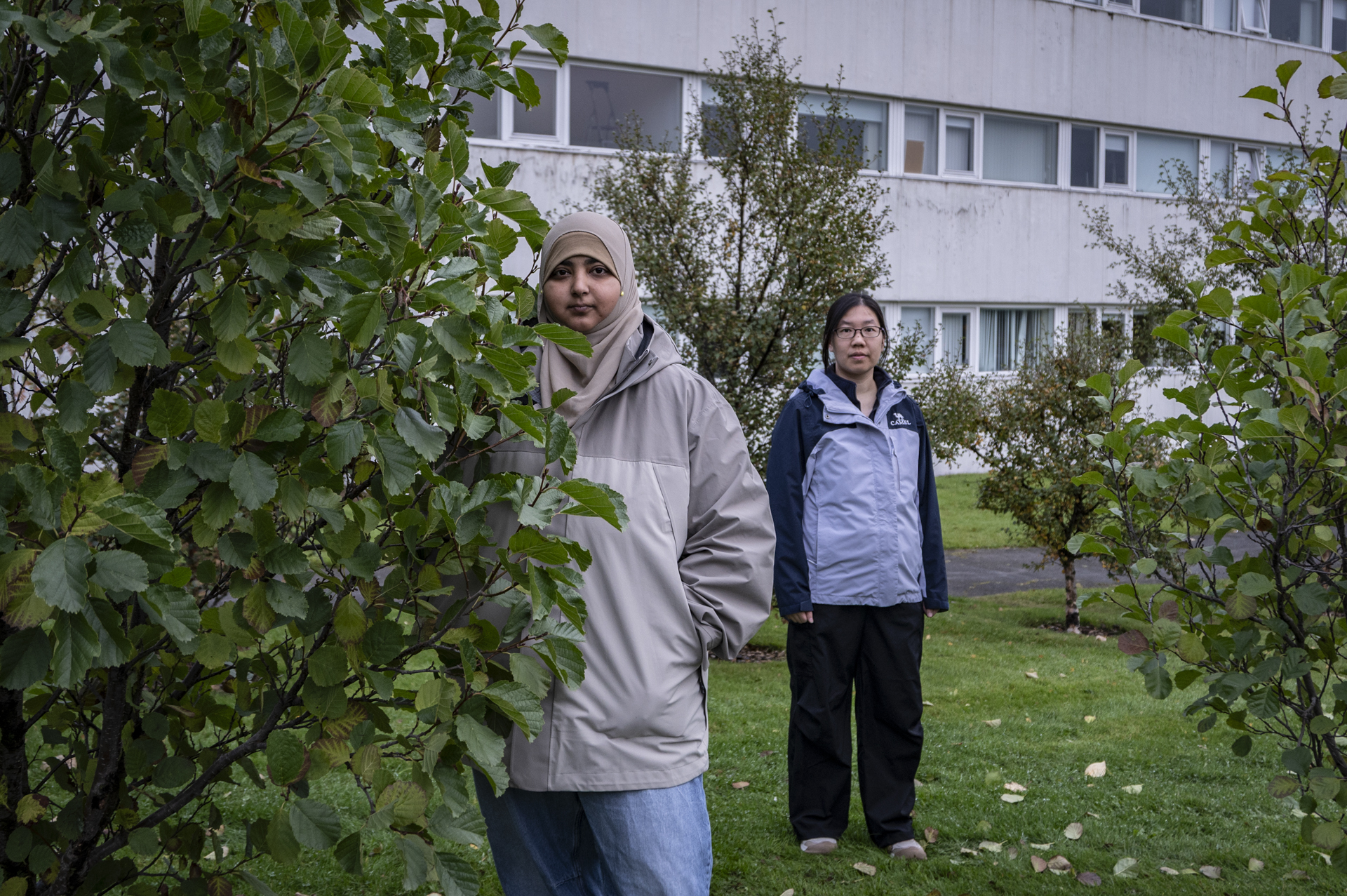
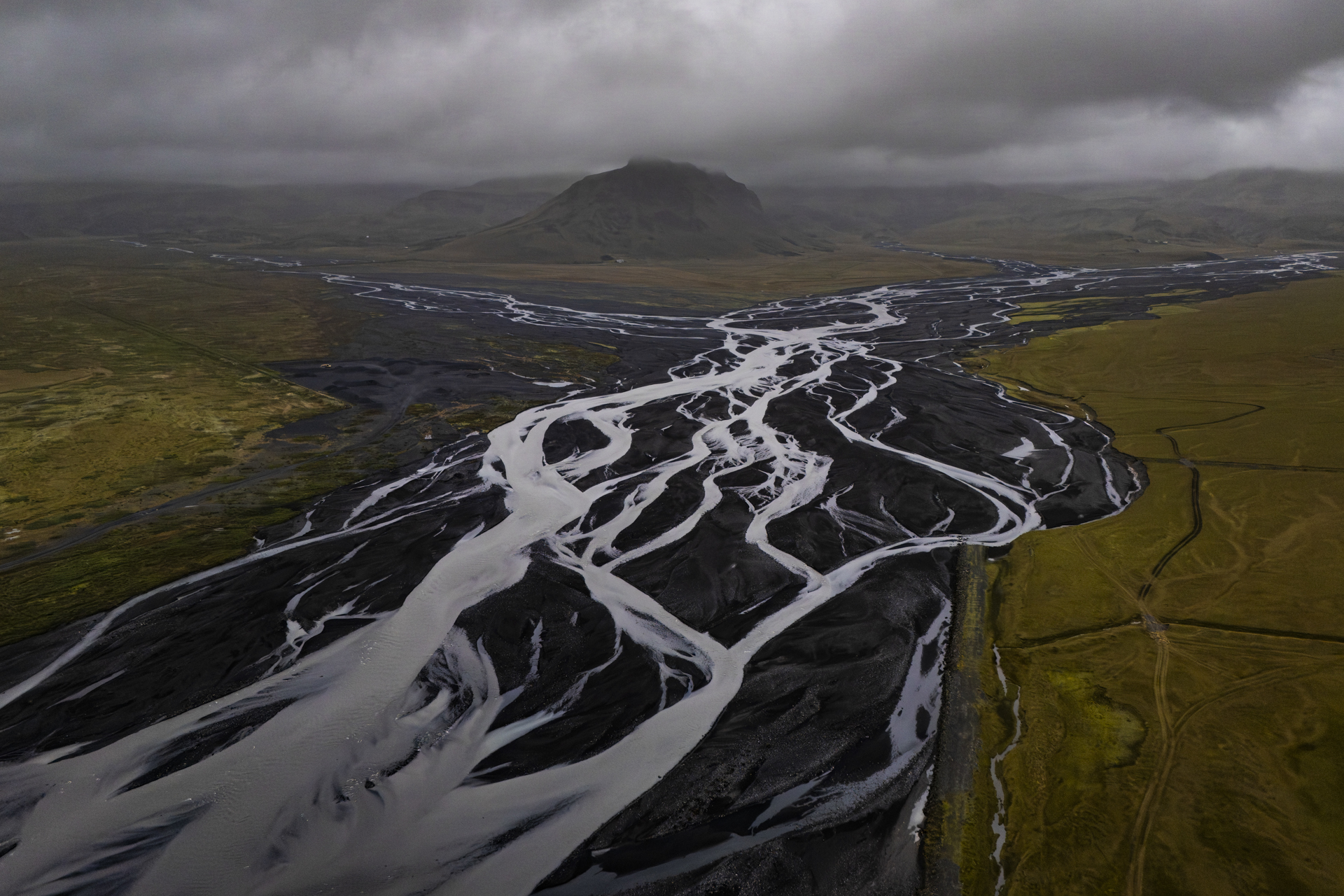
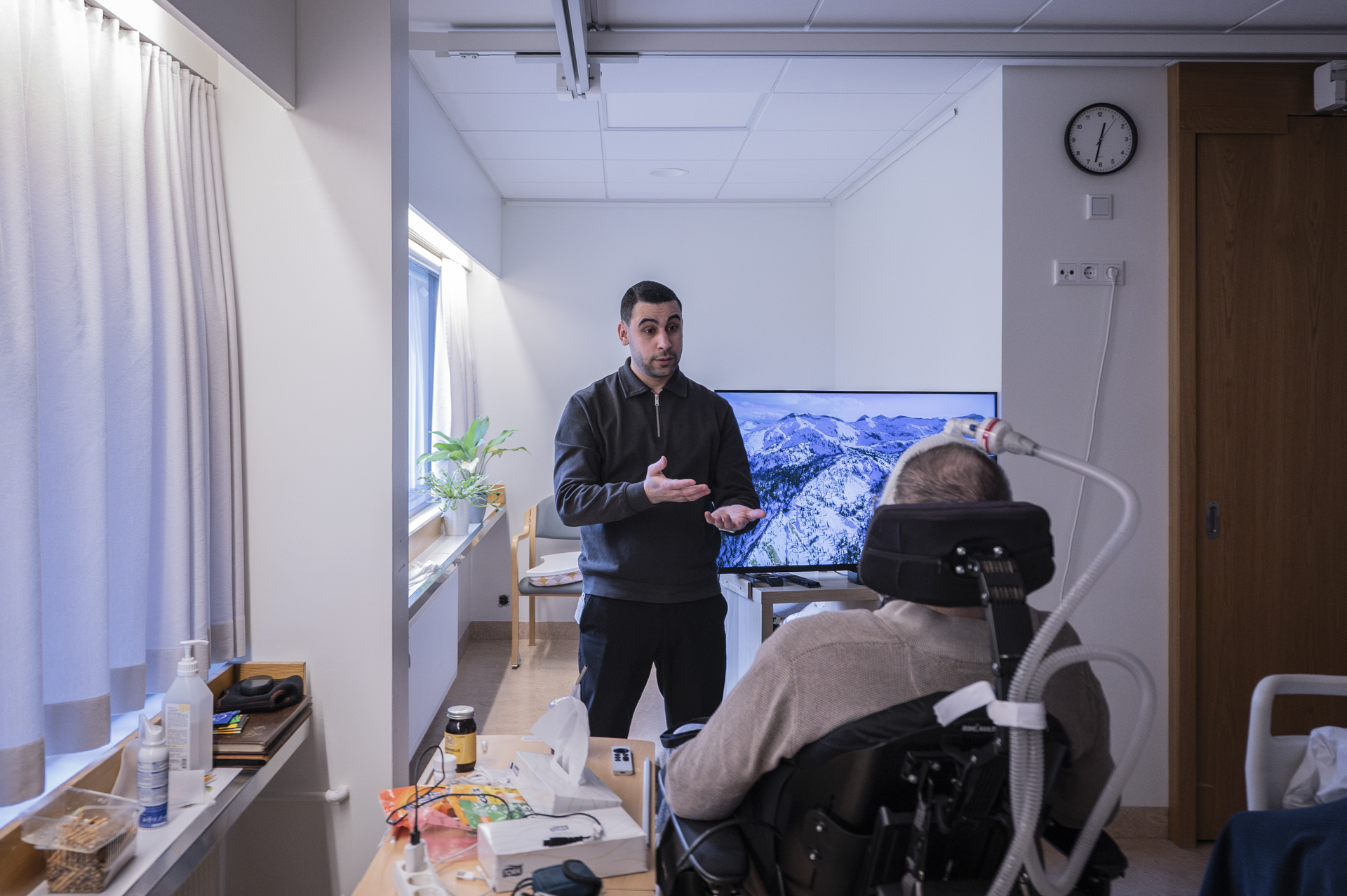
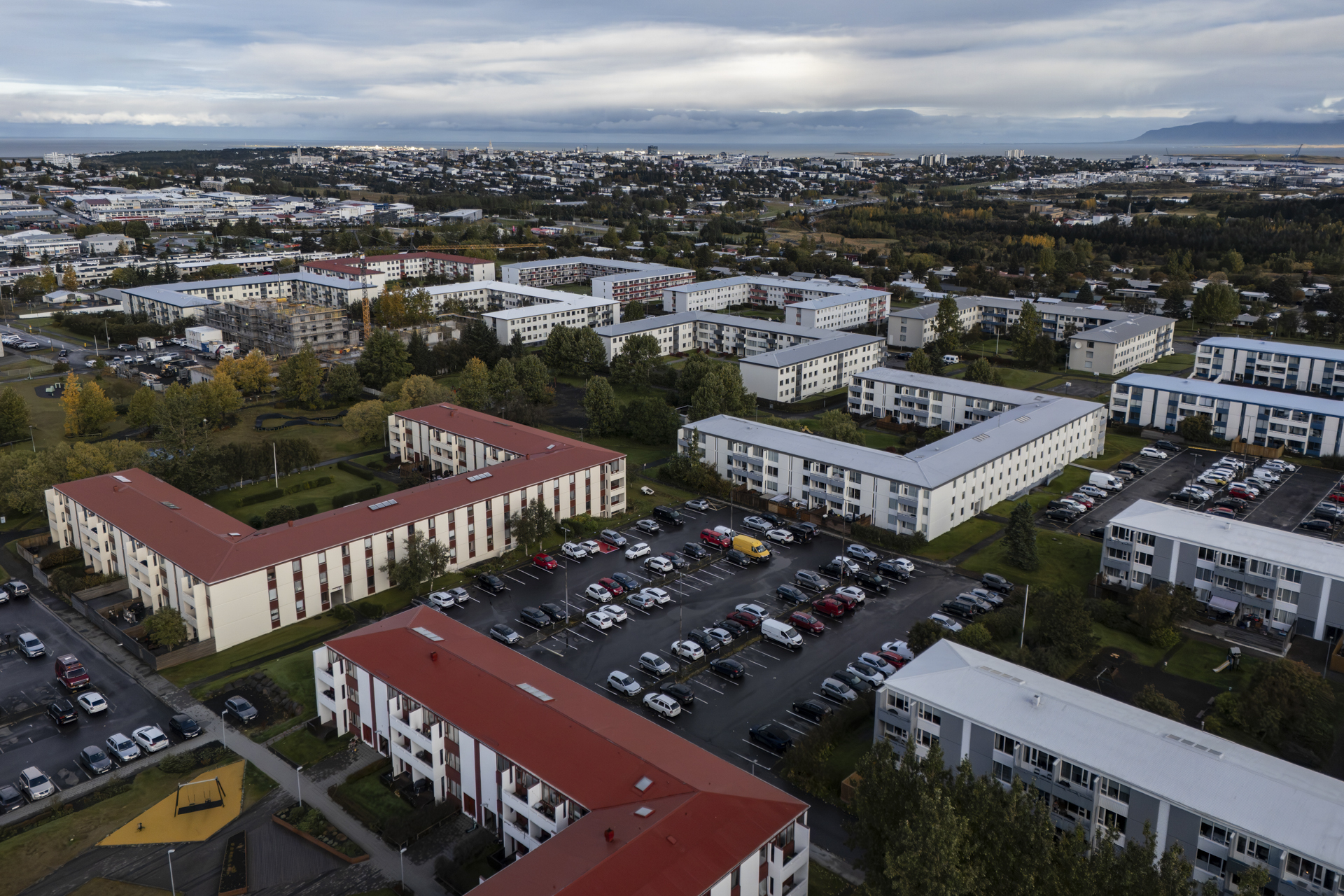
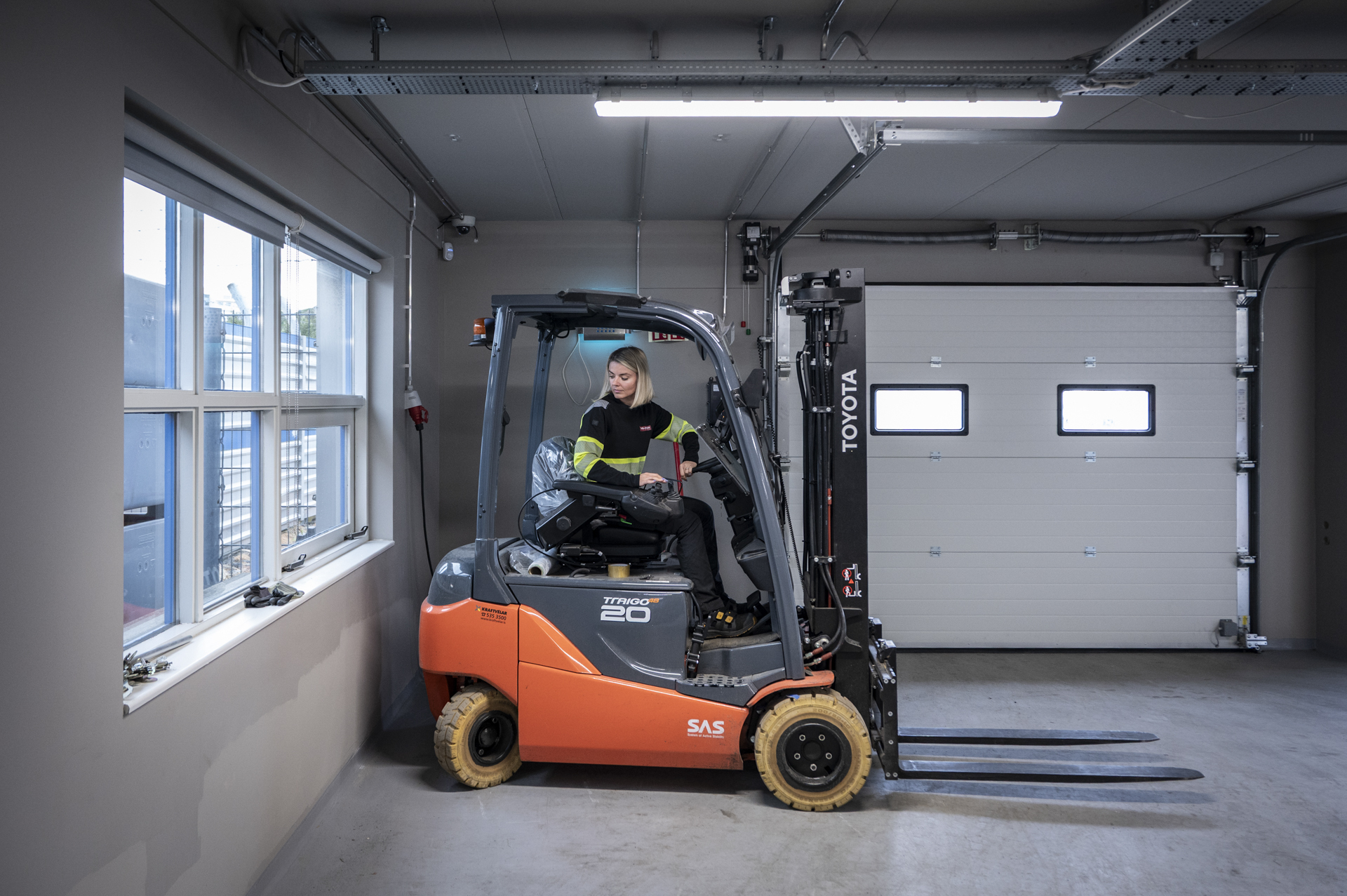
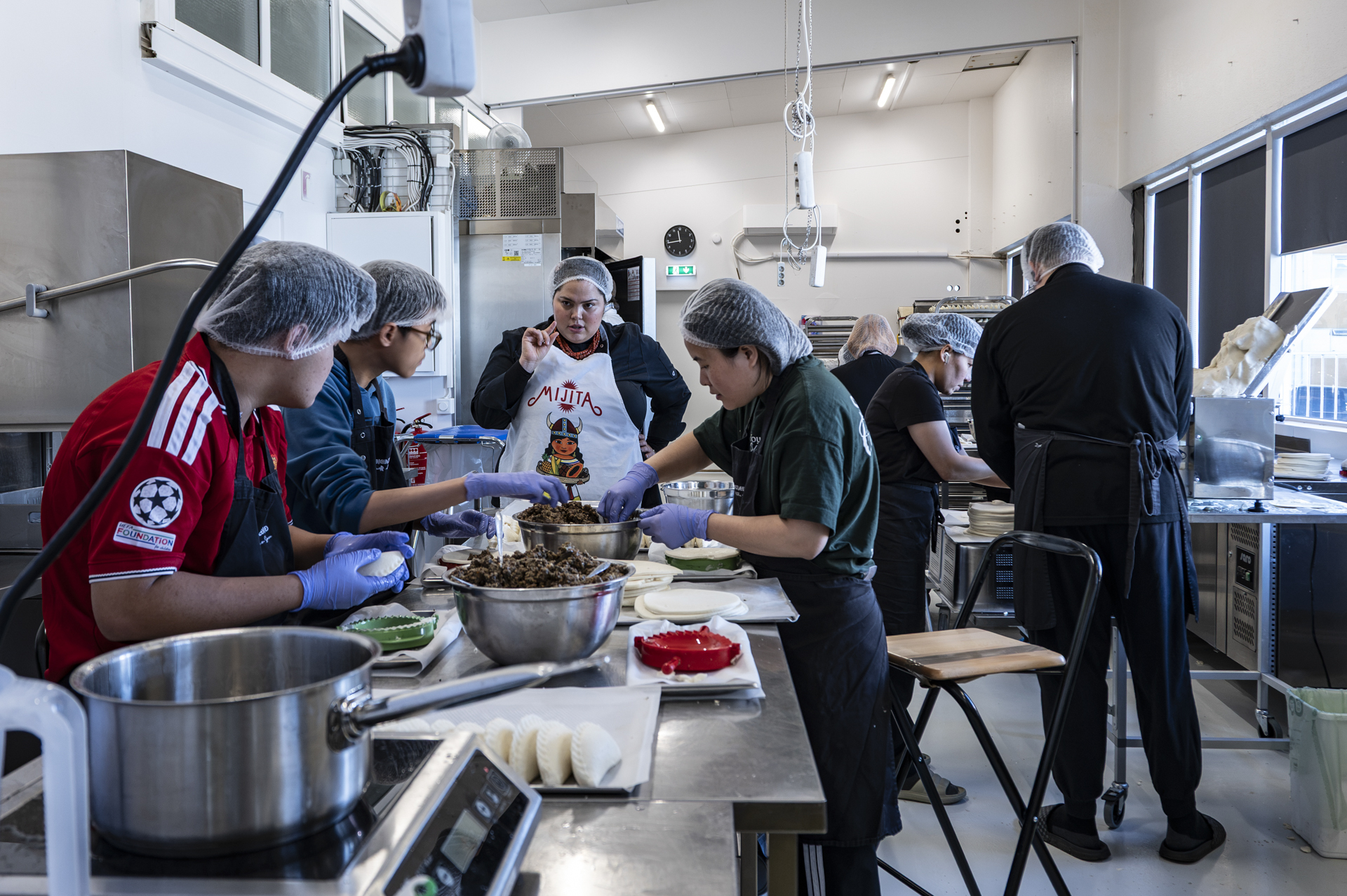
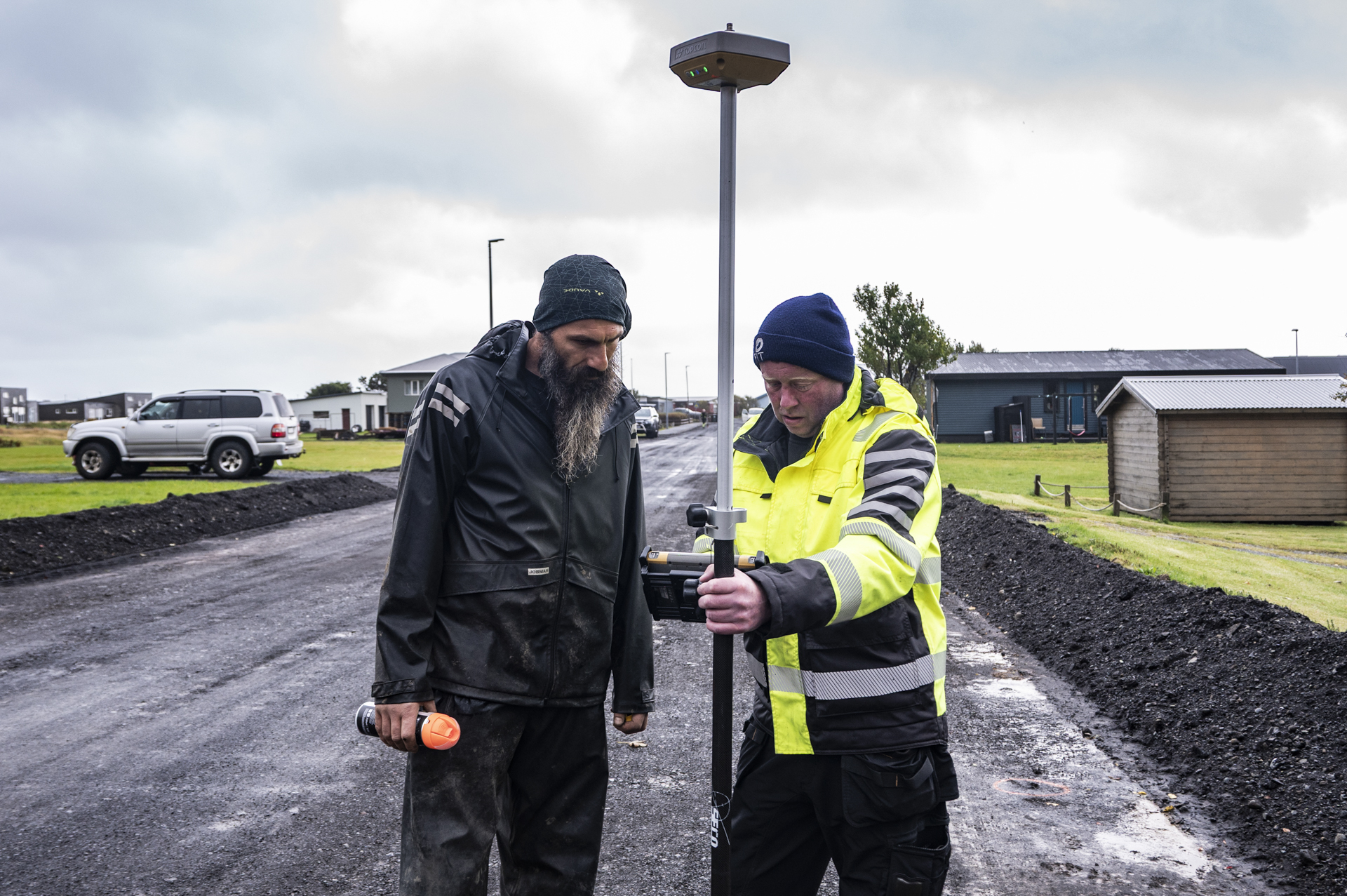
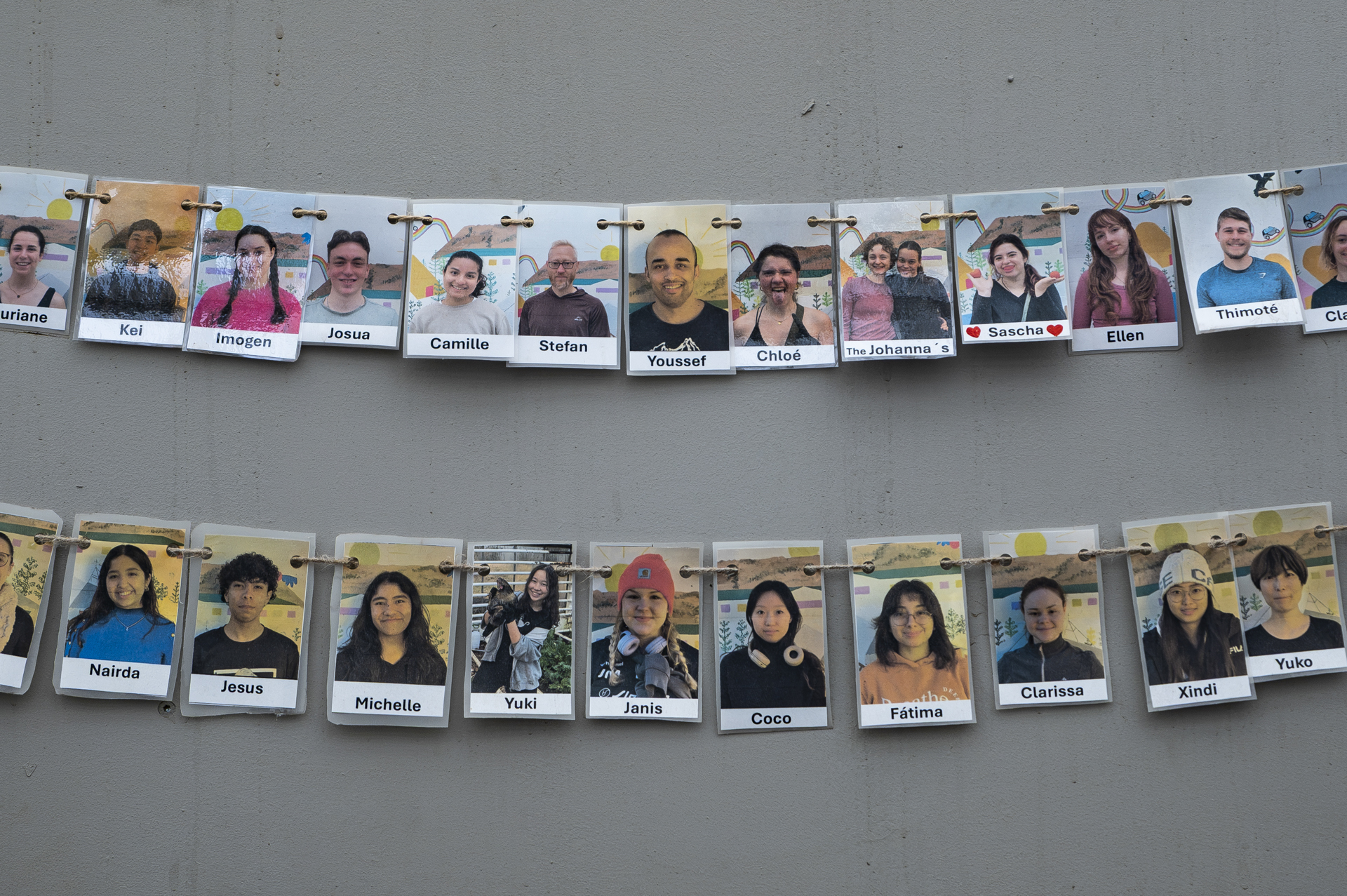
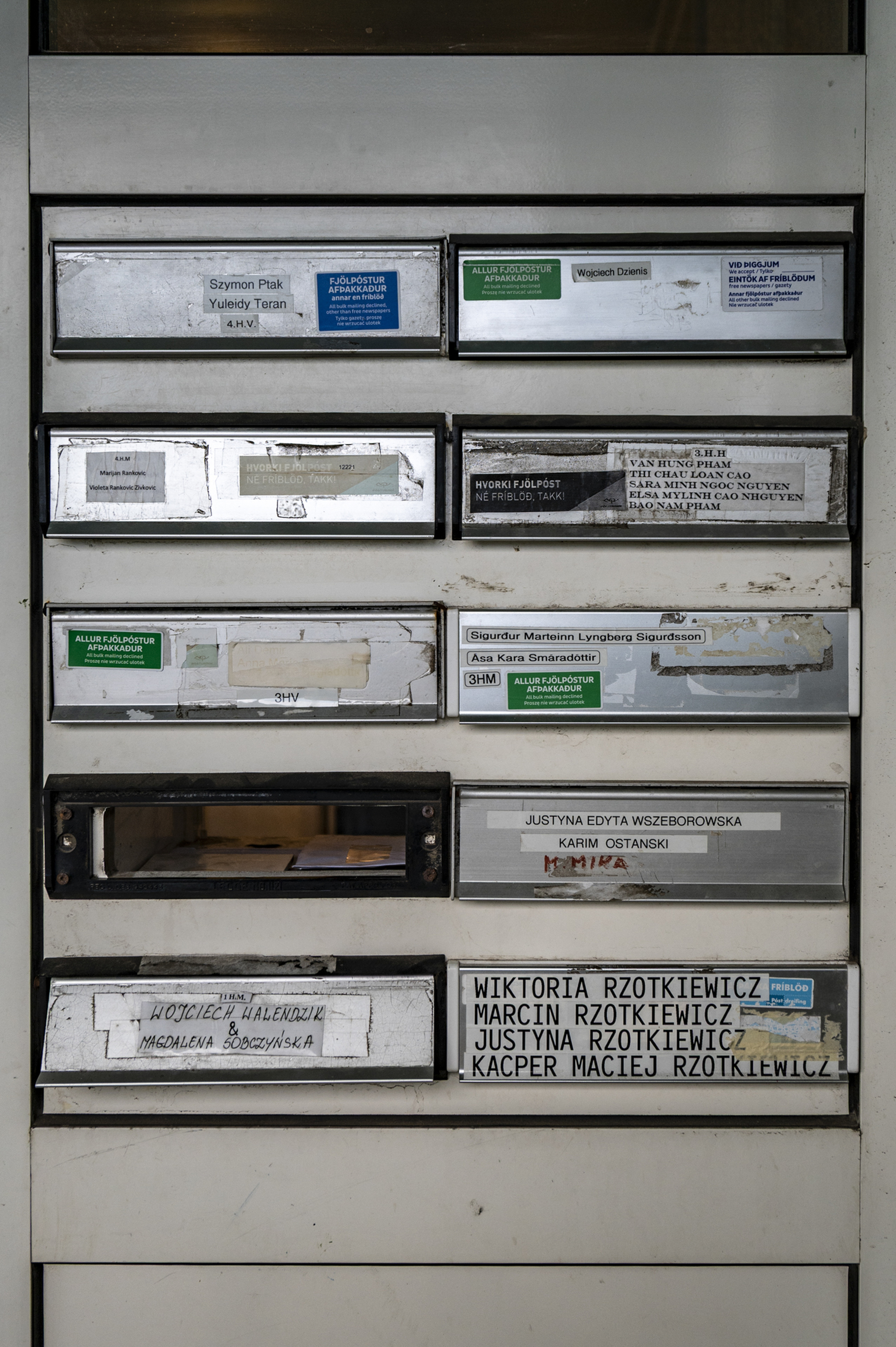
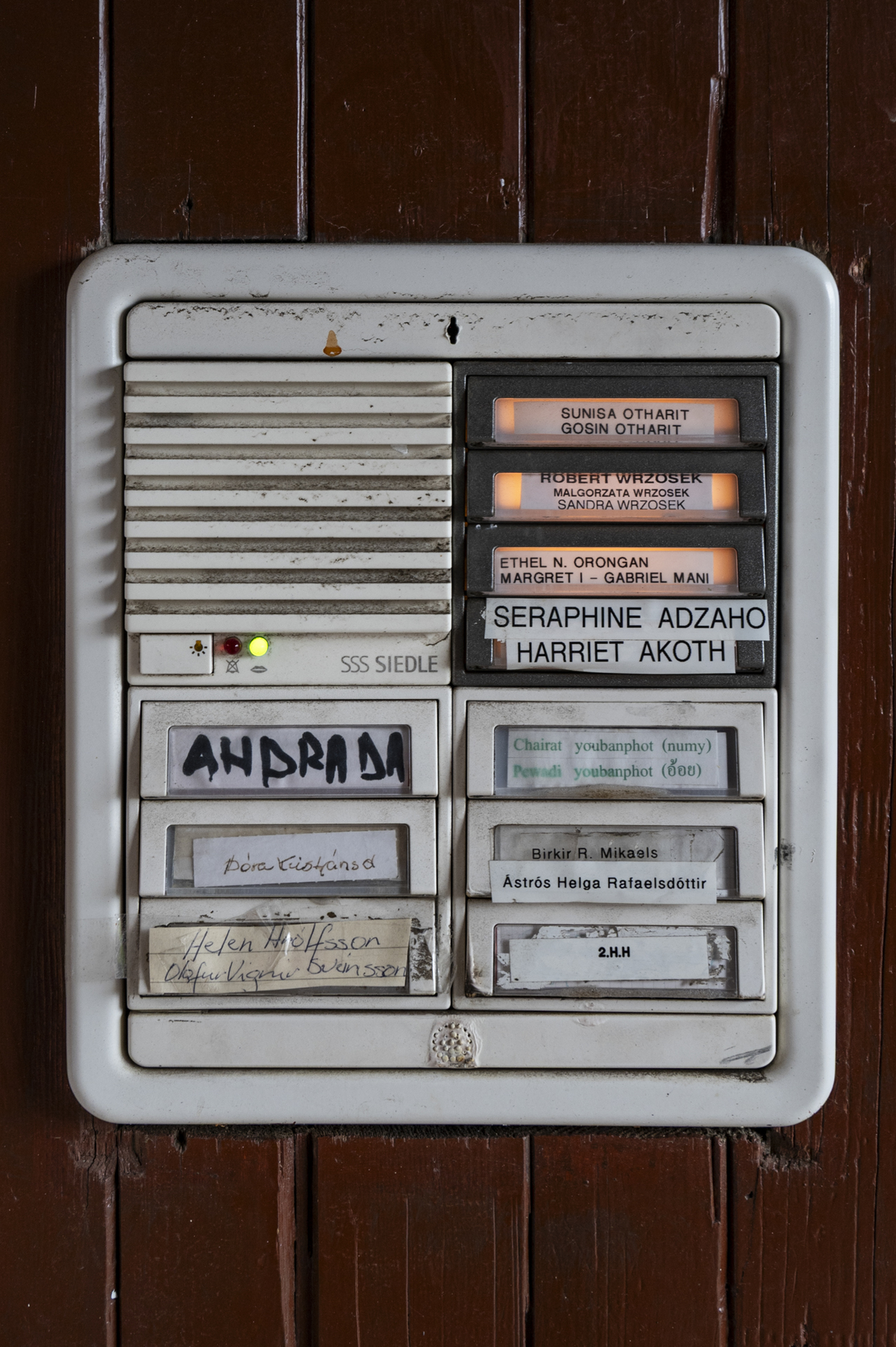
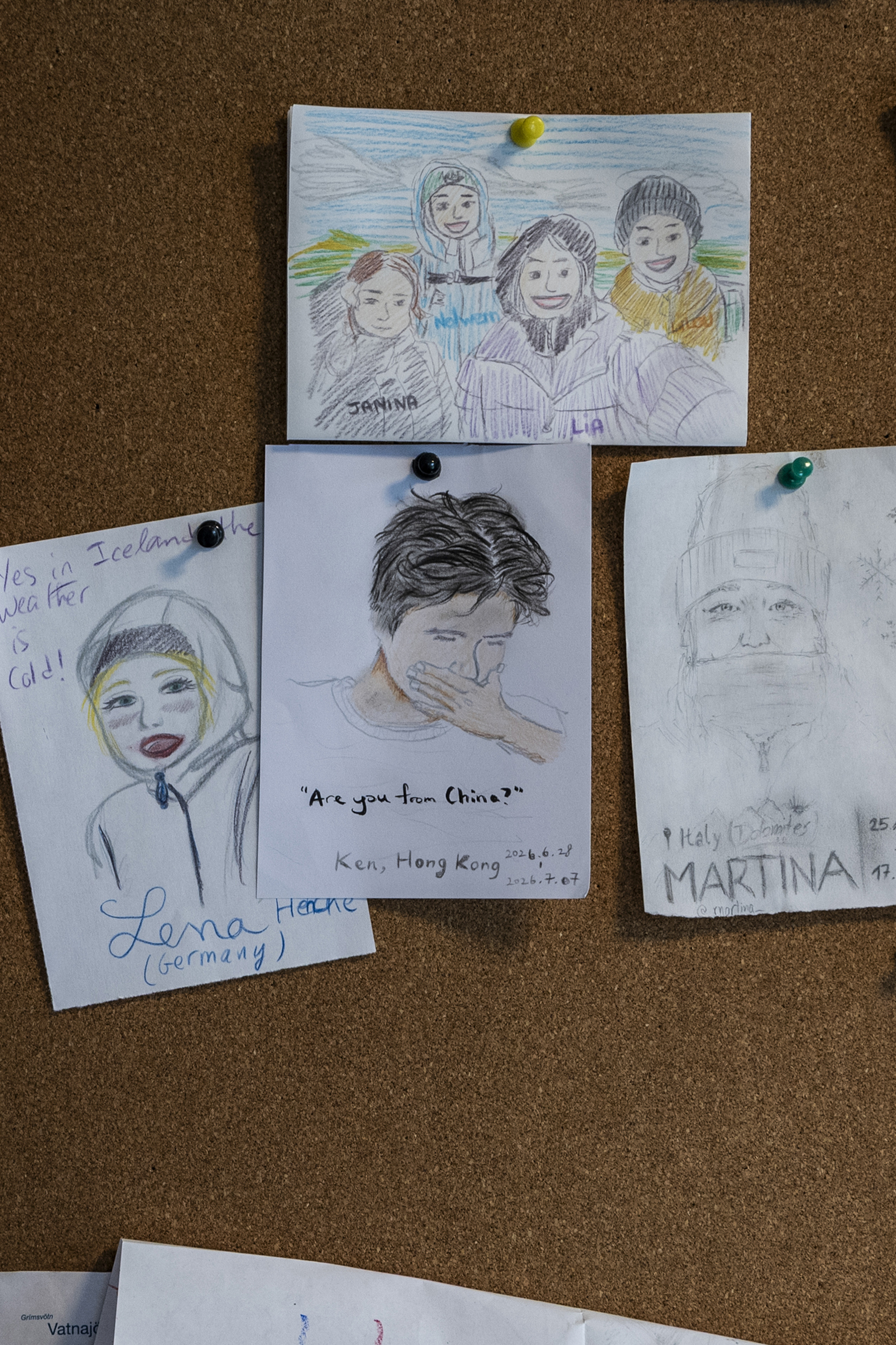
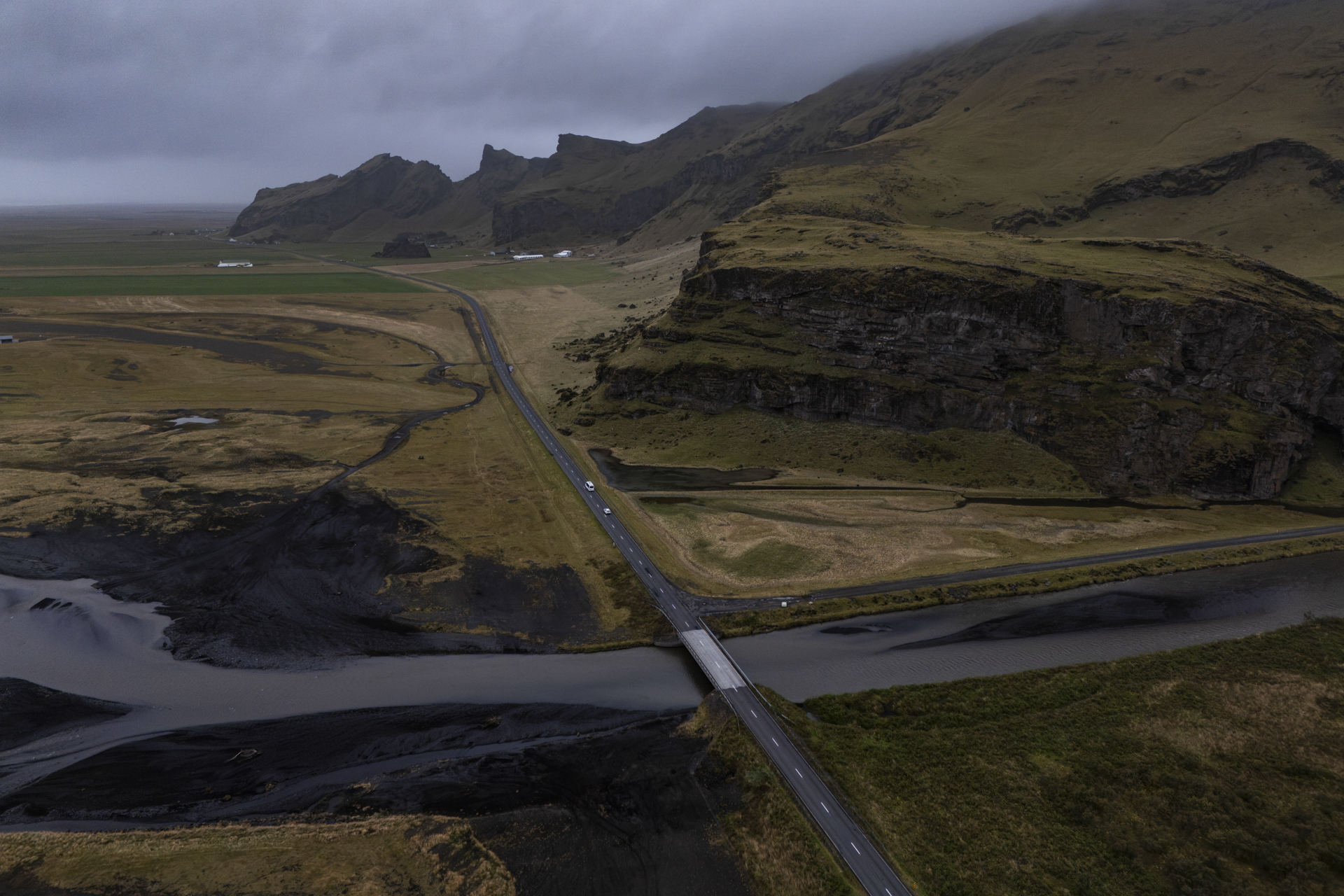
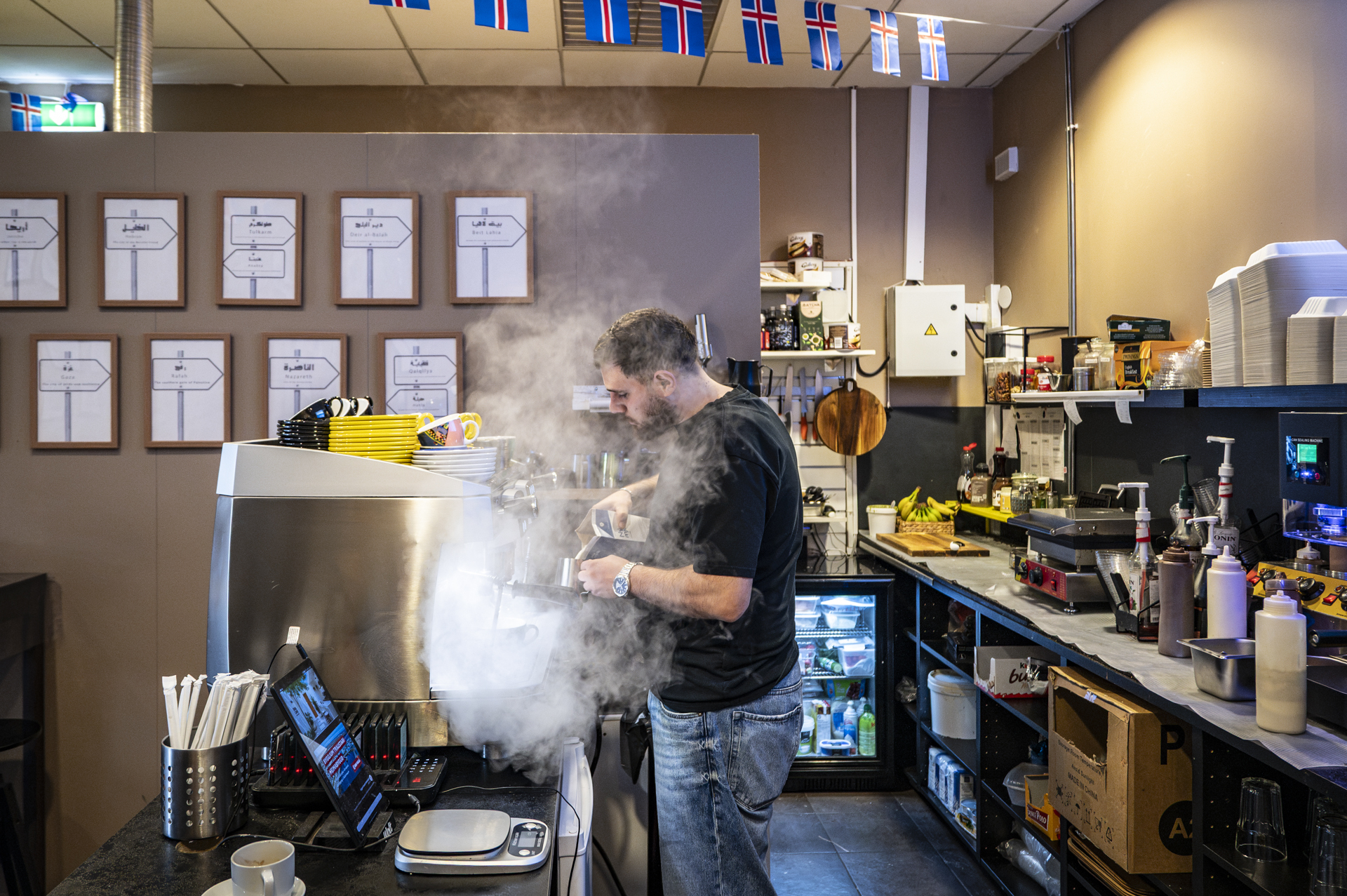
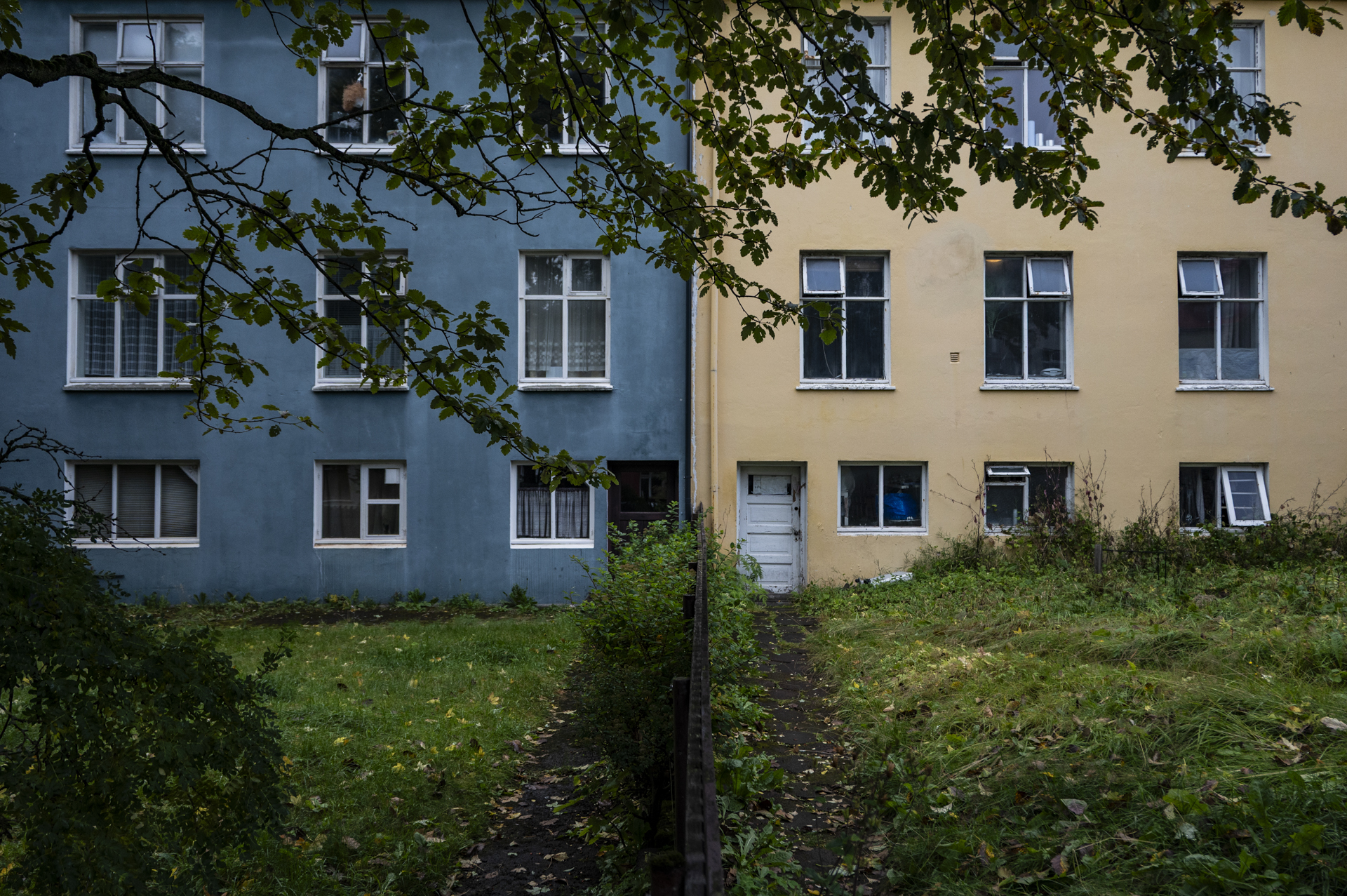
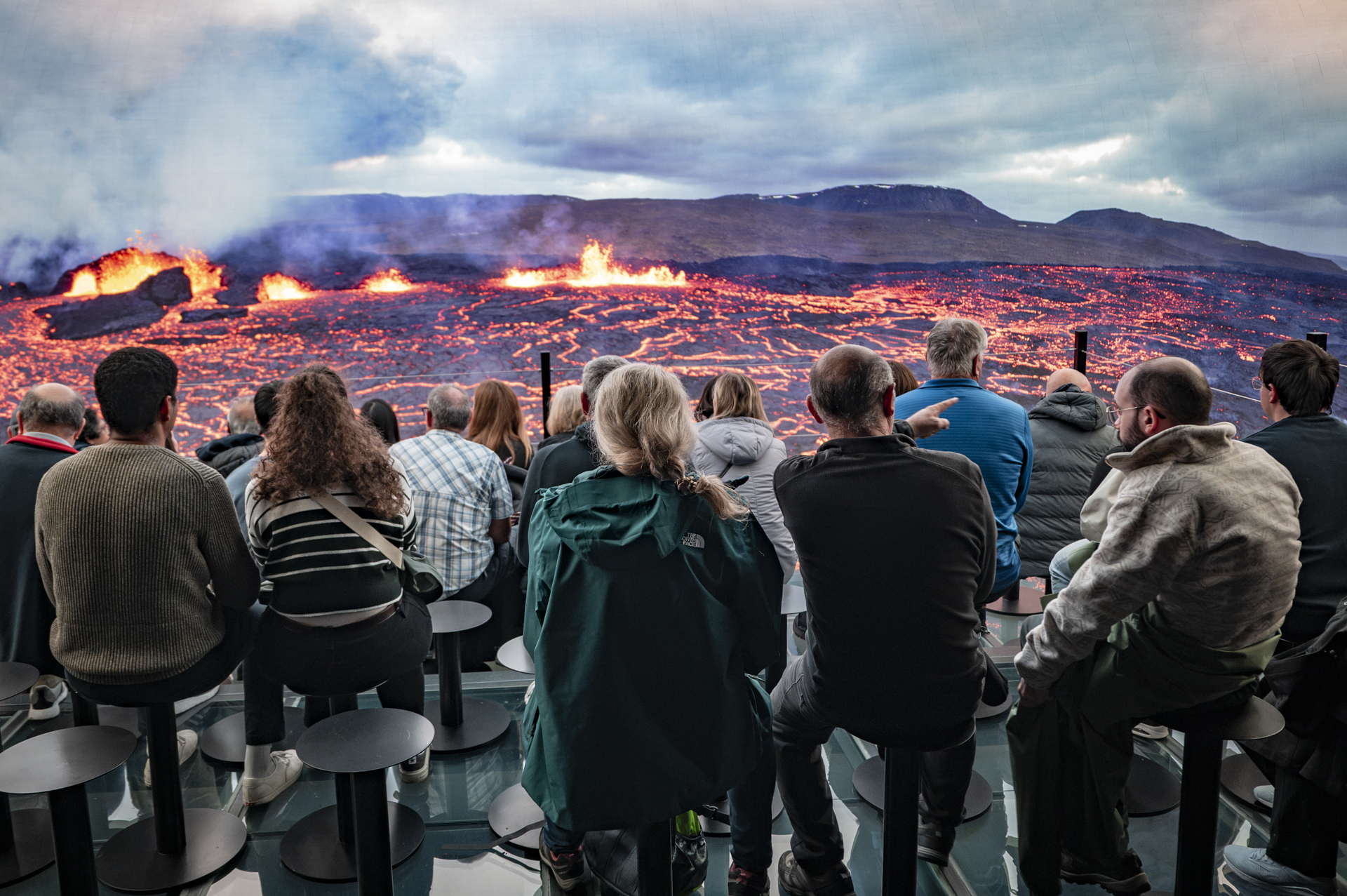
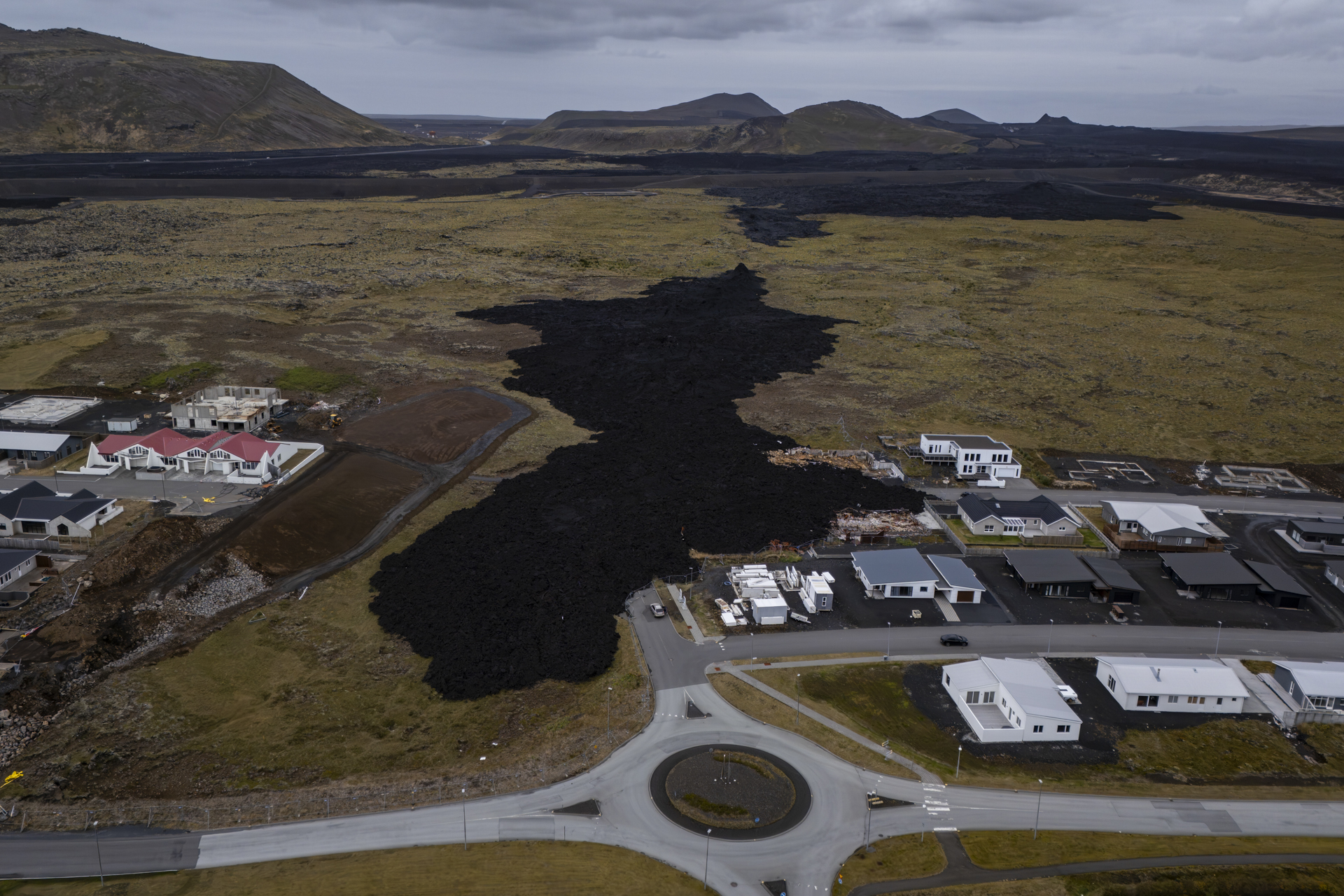
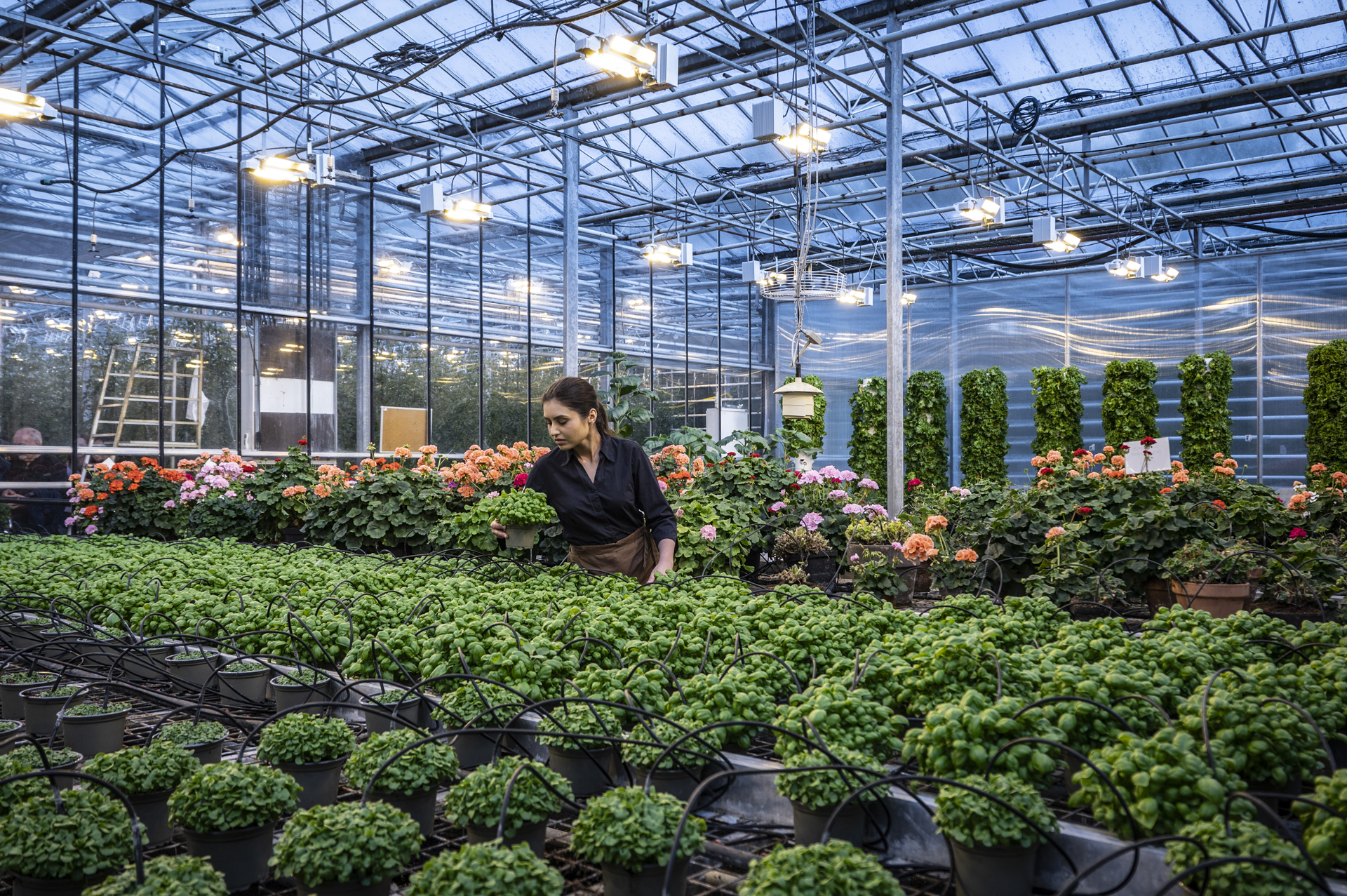
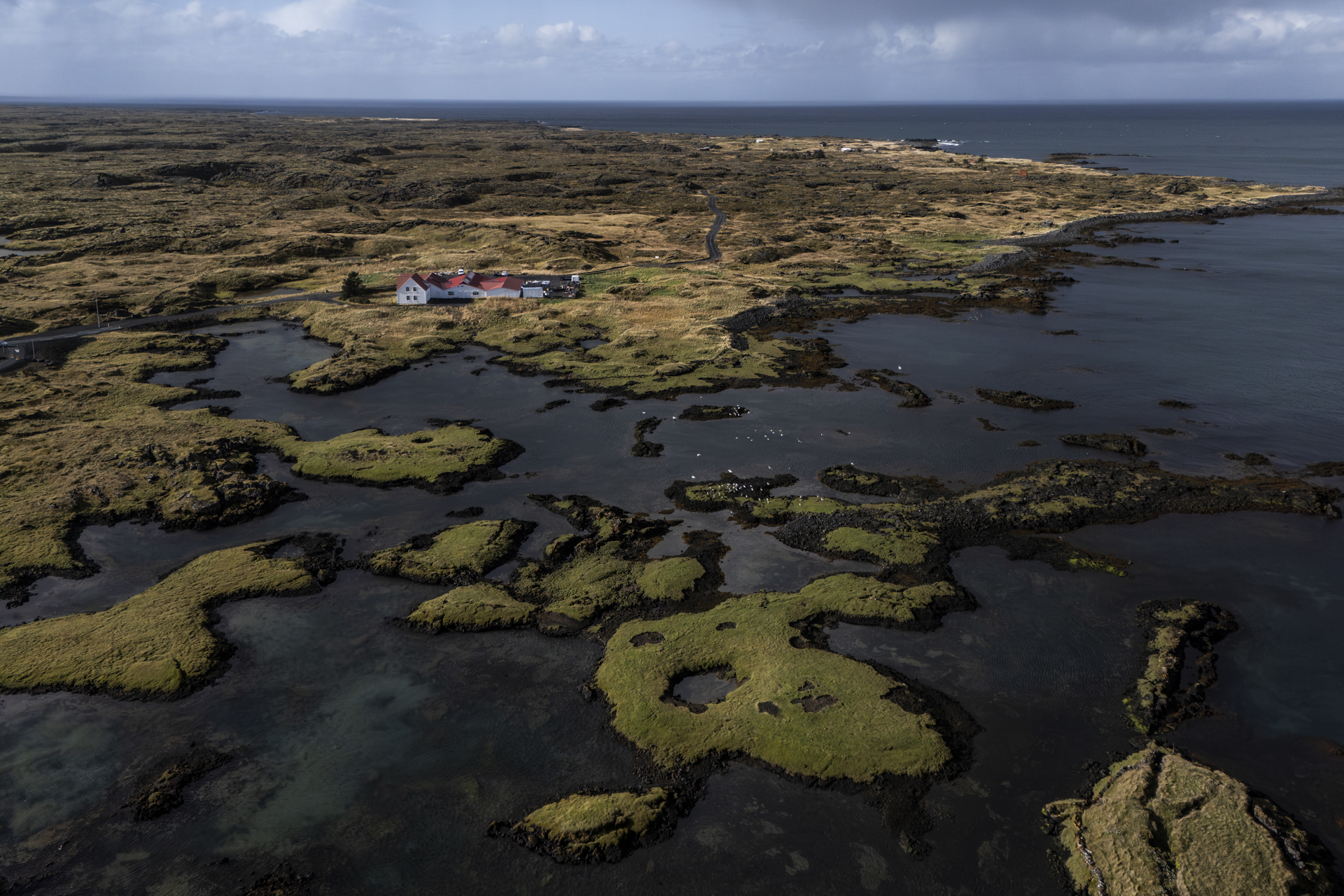
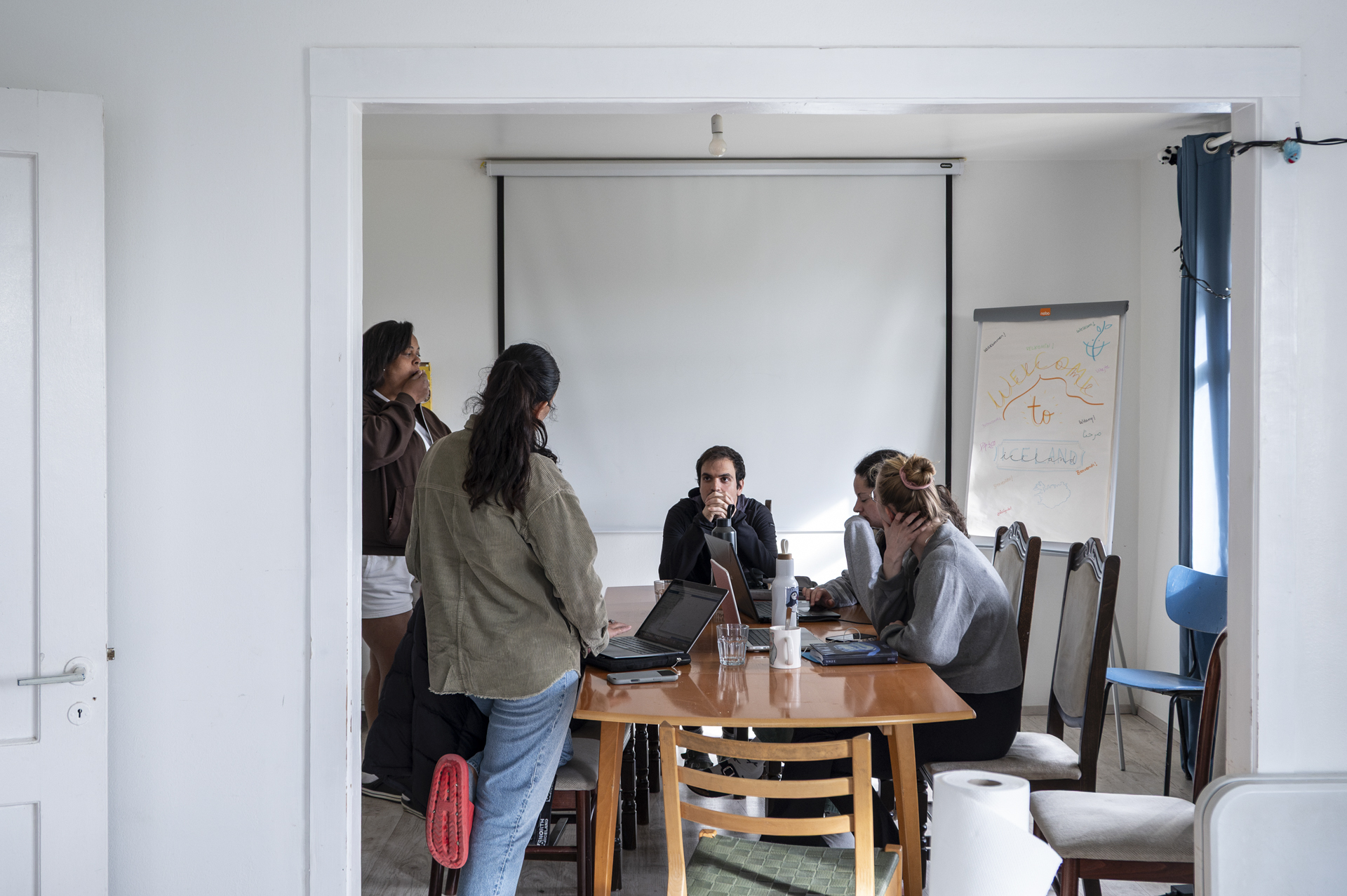
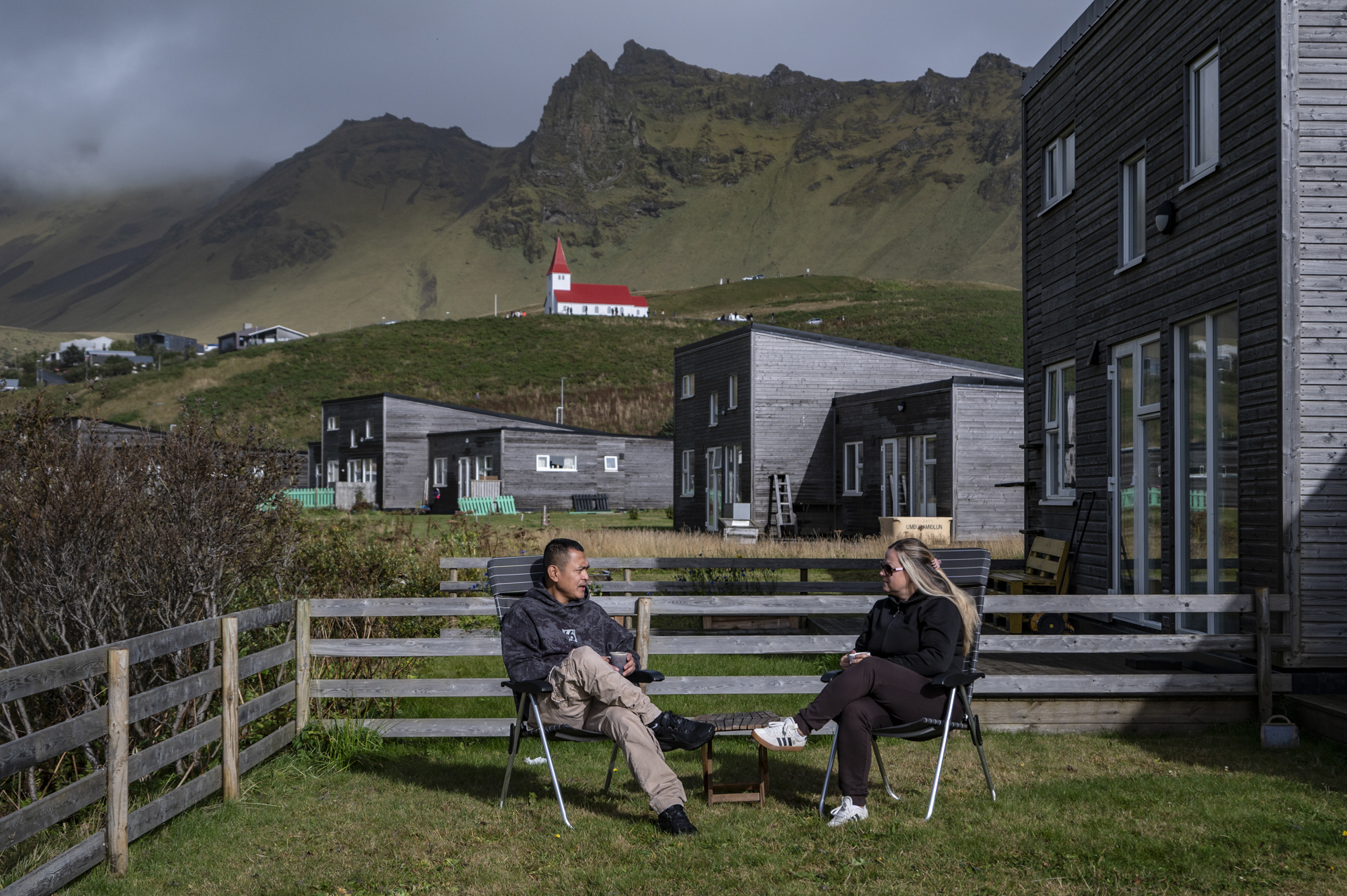
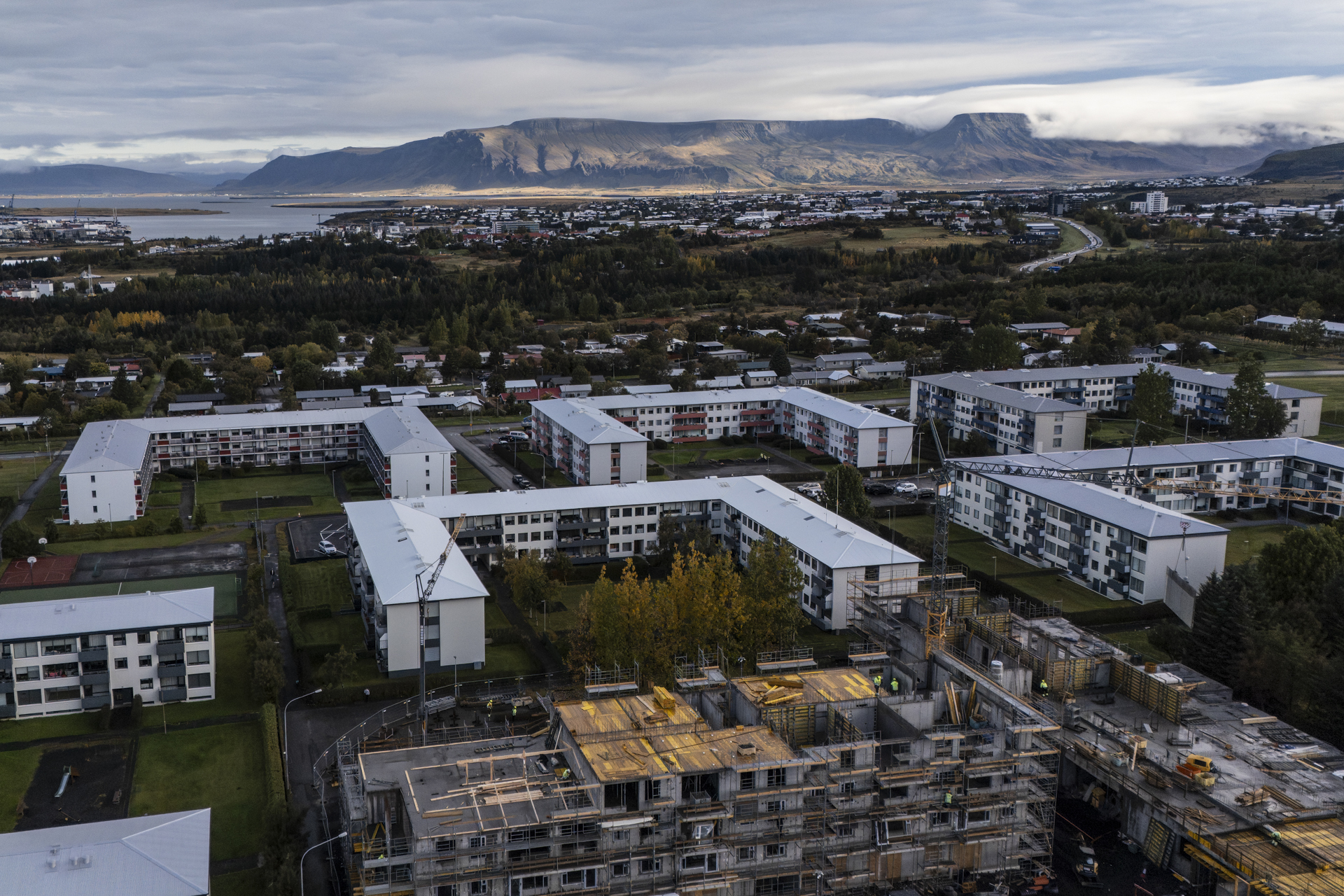
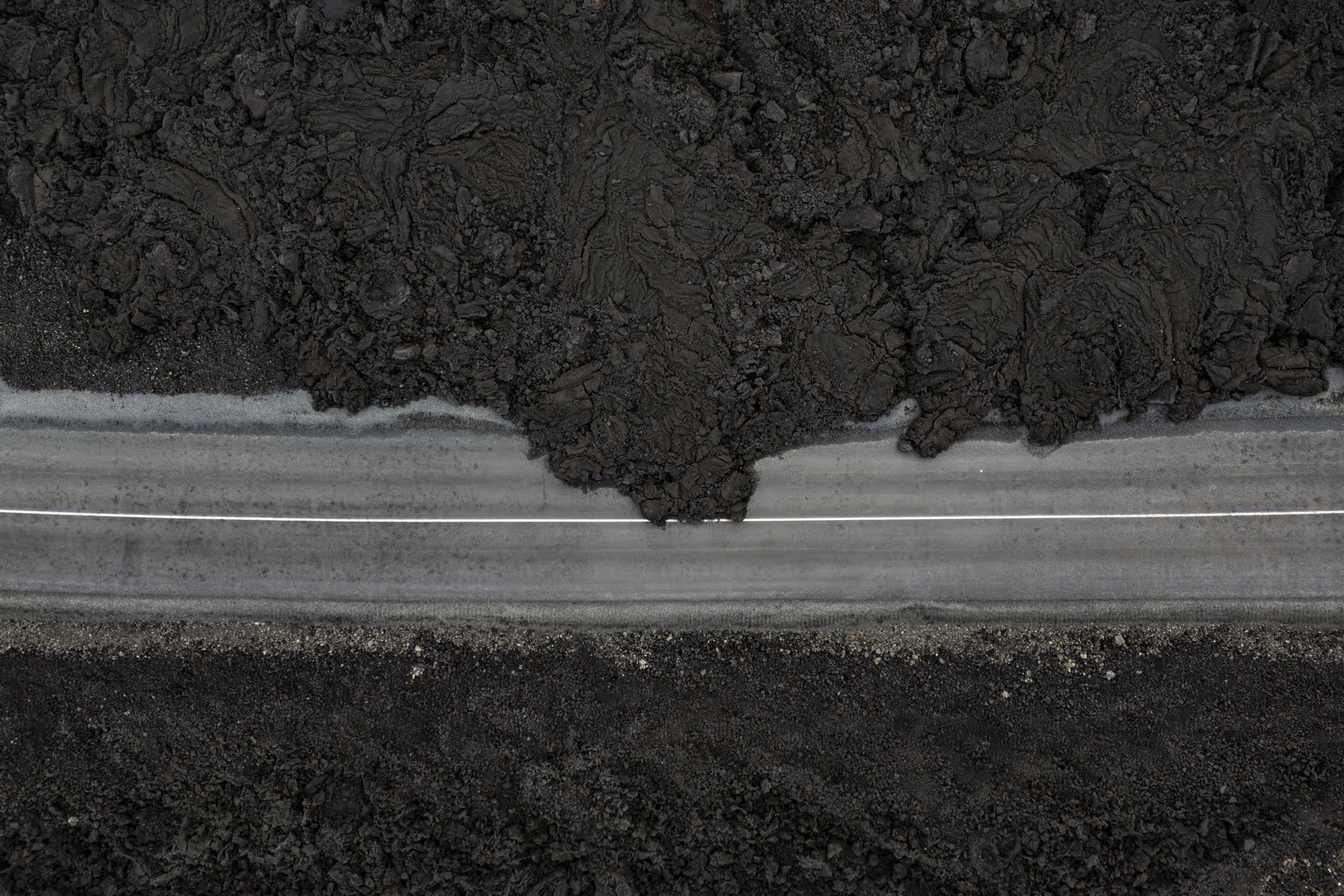
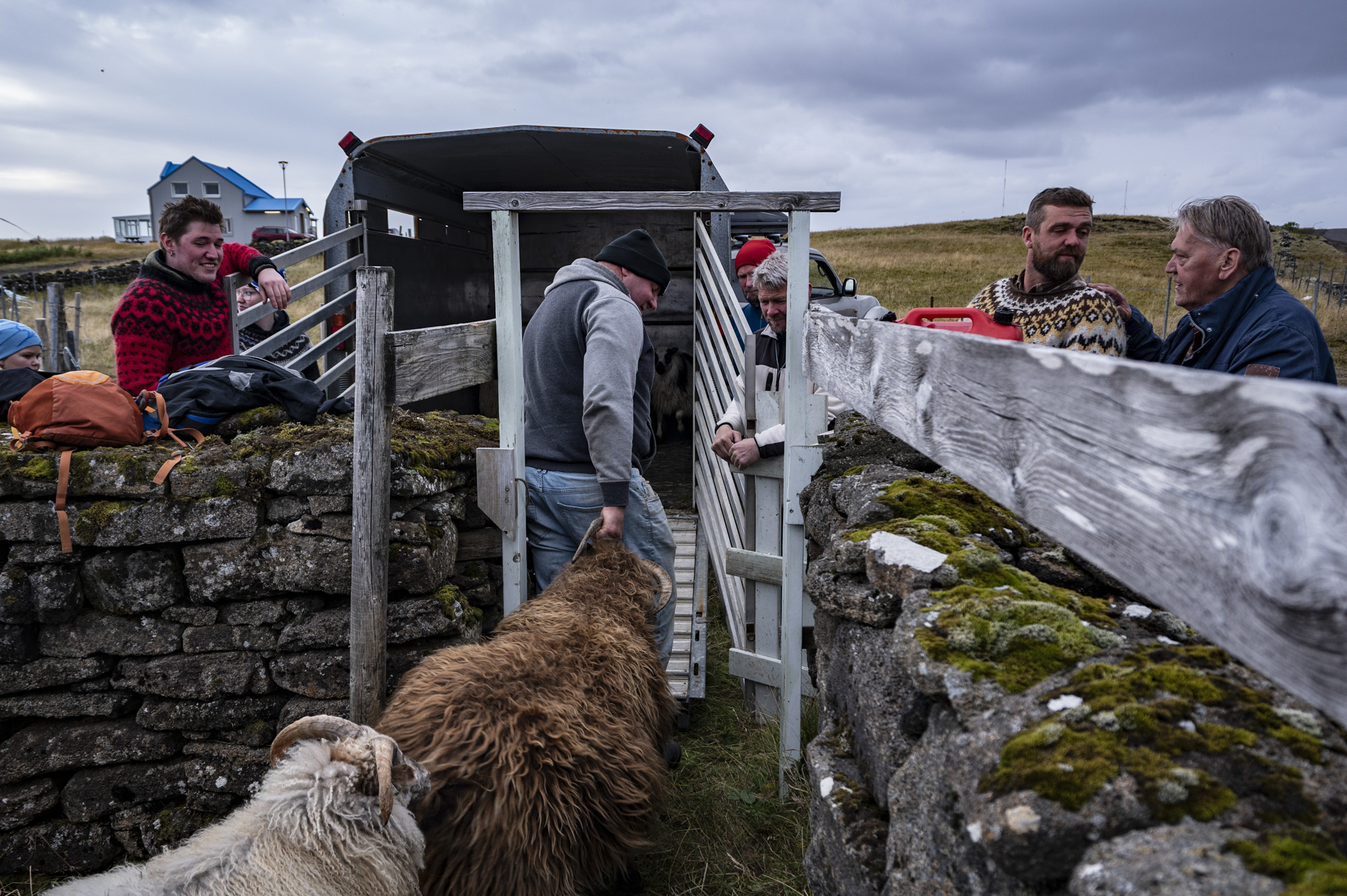
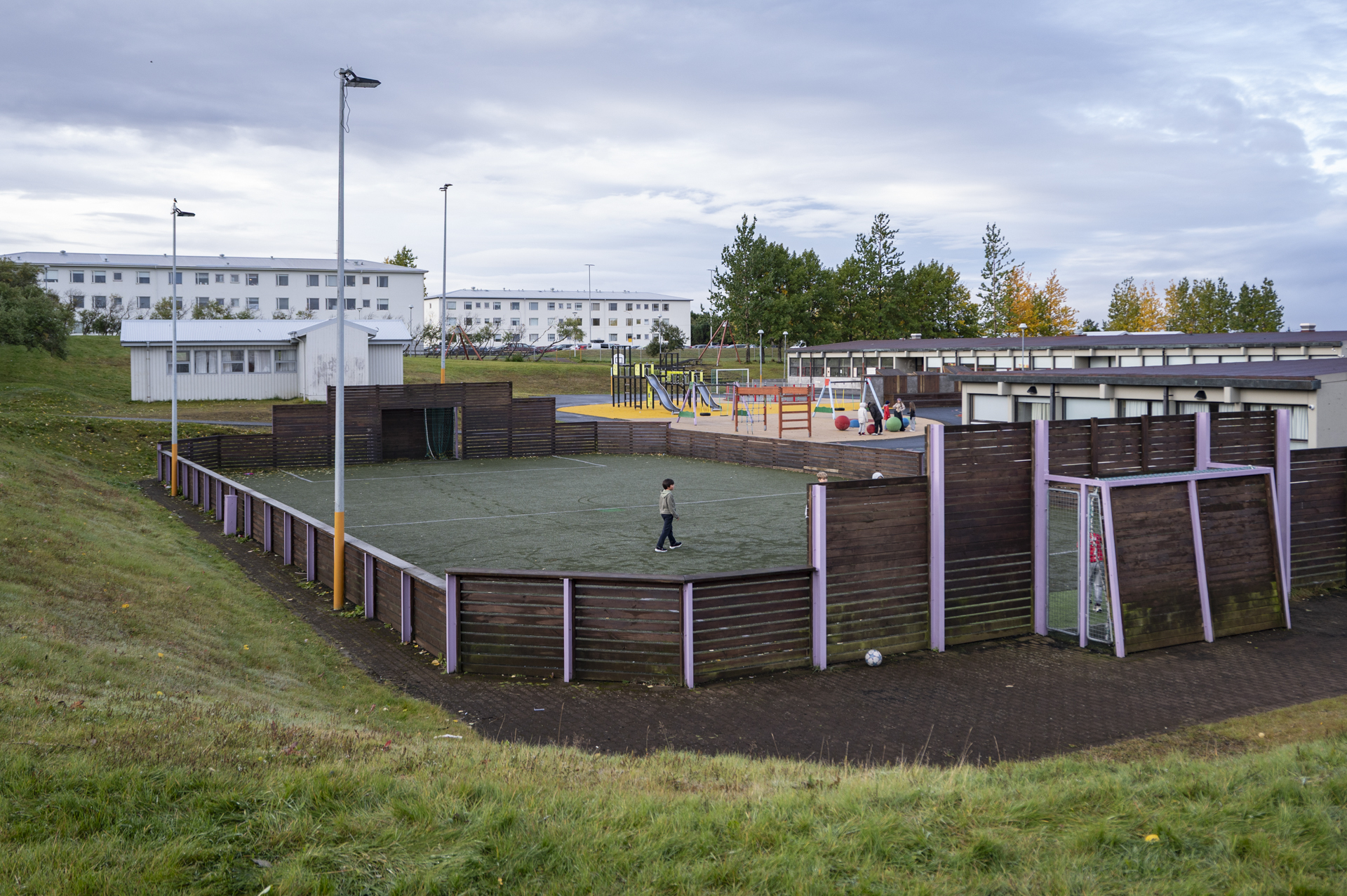
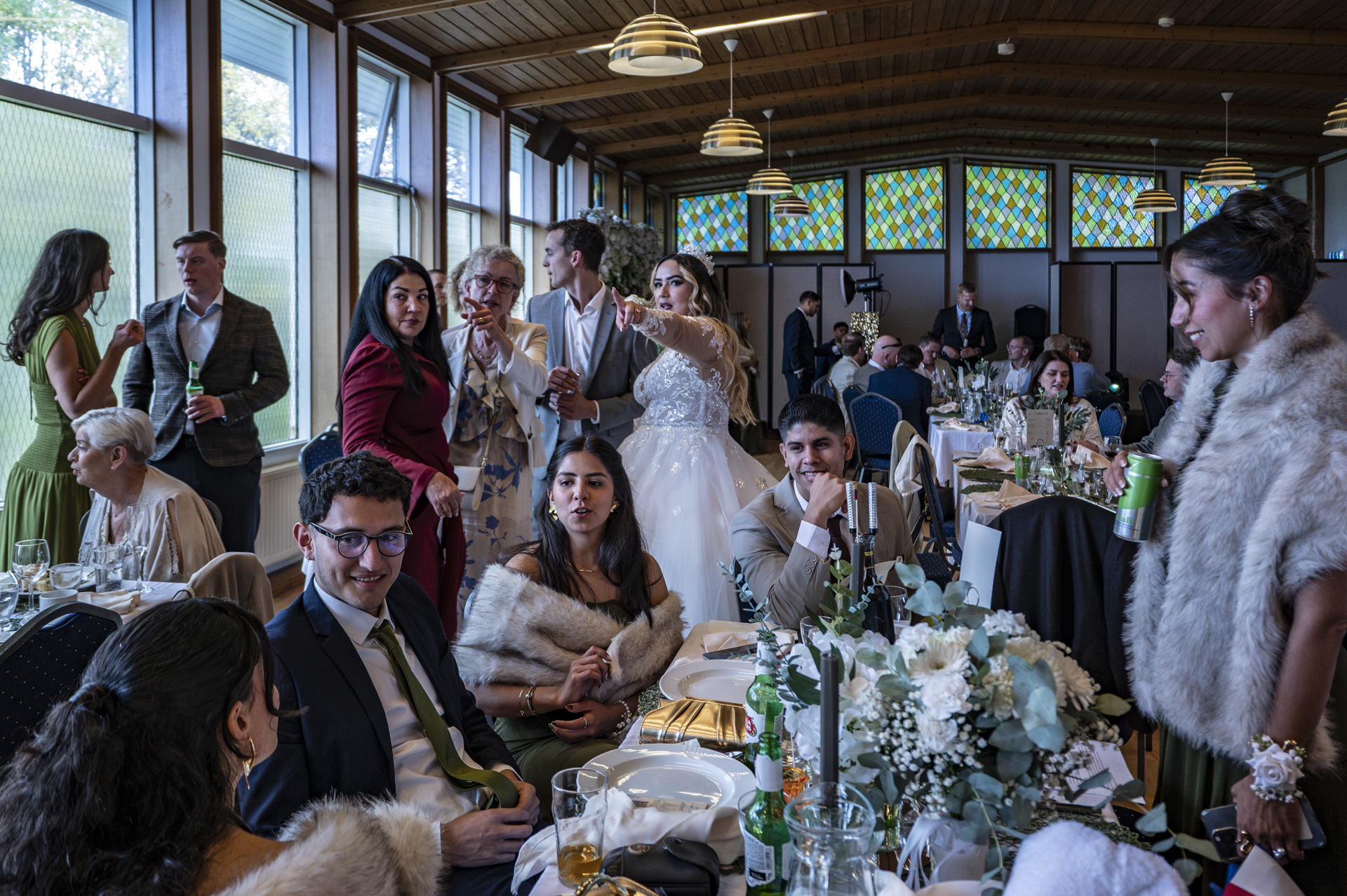
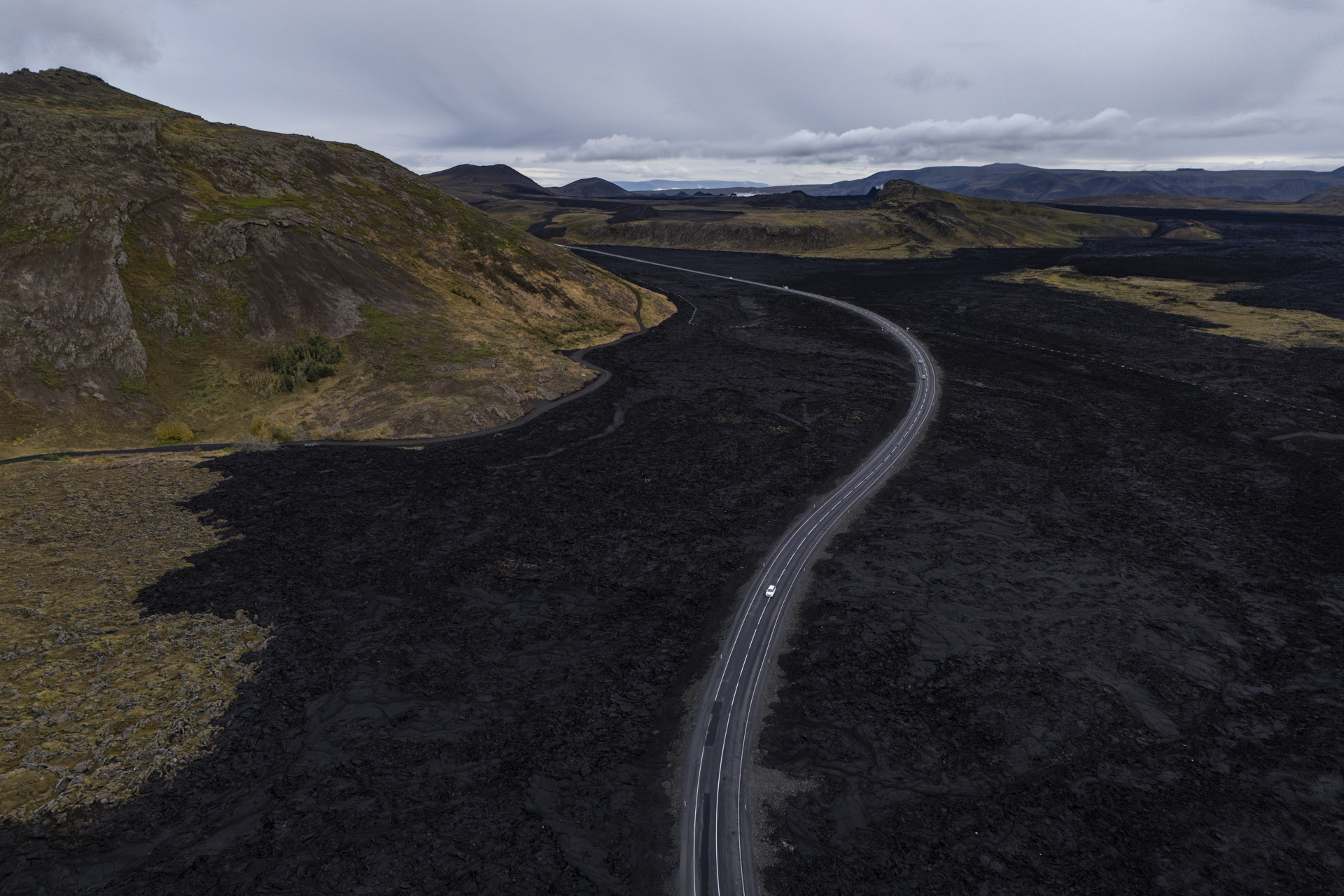
Iceland has historically built its identity around the idea of a small, linguistically homogeneous community closely tied to its land. Now everything is changing, and fast: in twenty years, the immigrant population on the island has risen from 17,000 to more than 77,000 people, out of a total population of around 400,000. In 2006, immigrants made up 5 percent of the population; today they account for 20 percent, and in some villages — such as Vík, 200 kilometres south of Reykjavík — as much as 67 percent. Almost all foreign residents are integrated and work in fishing, construction, farming and other sectors. Yet, as the OECD has documented, discrimination and forms of racism are increasing. It is an epochal transformation unfolding in an environment that is itself changing just as rapidly, amid record heat, melting glaciers and threatening lava flows.
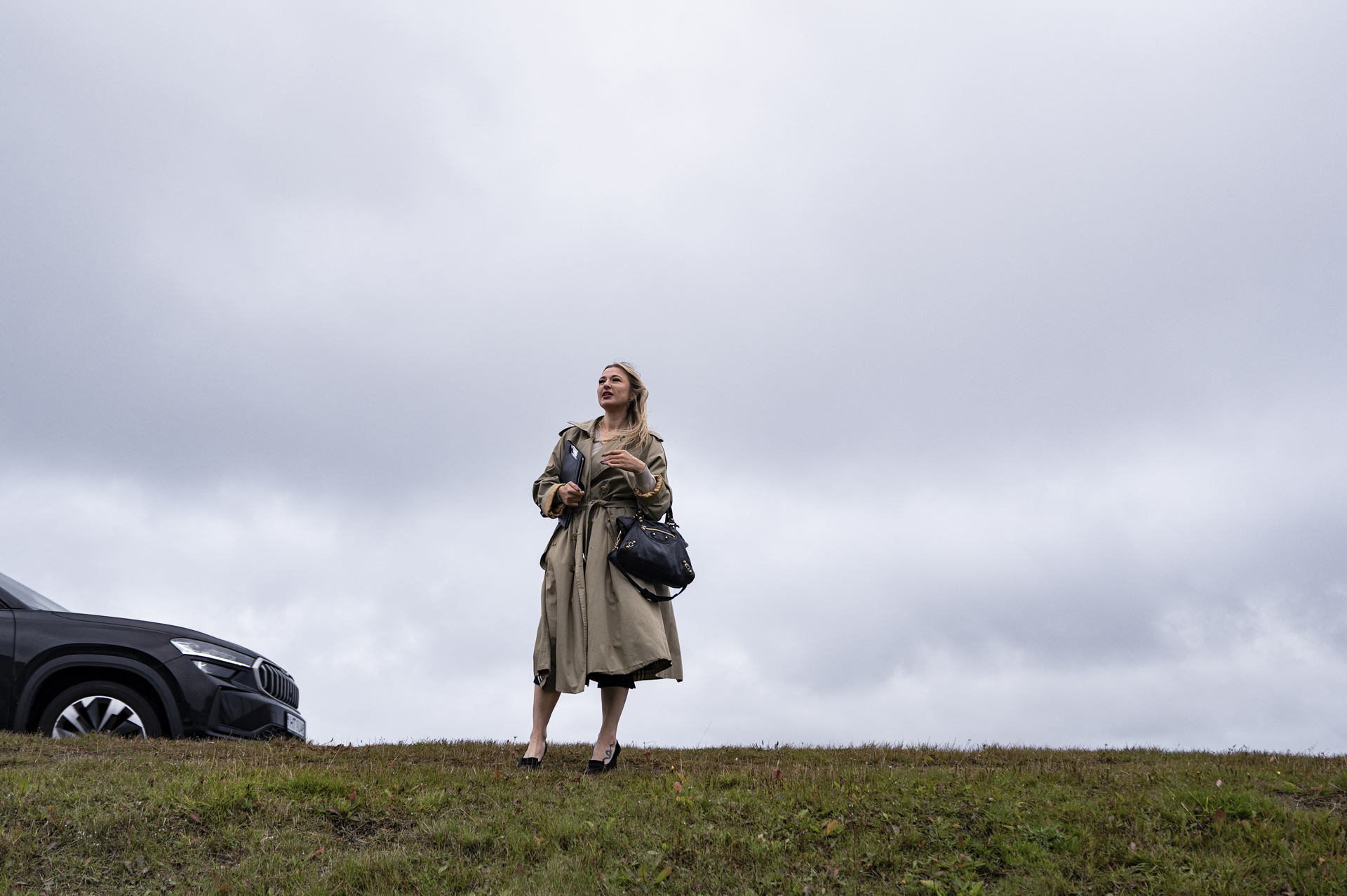
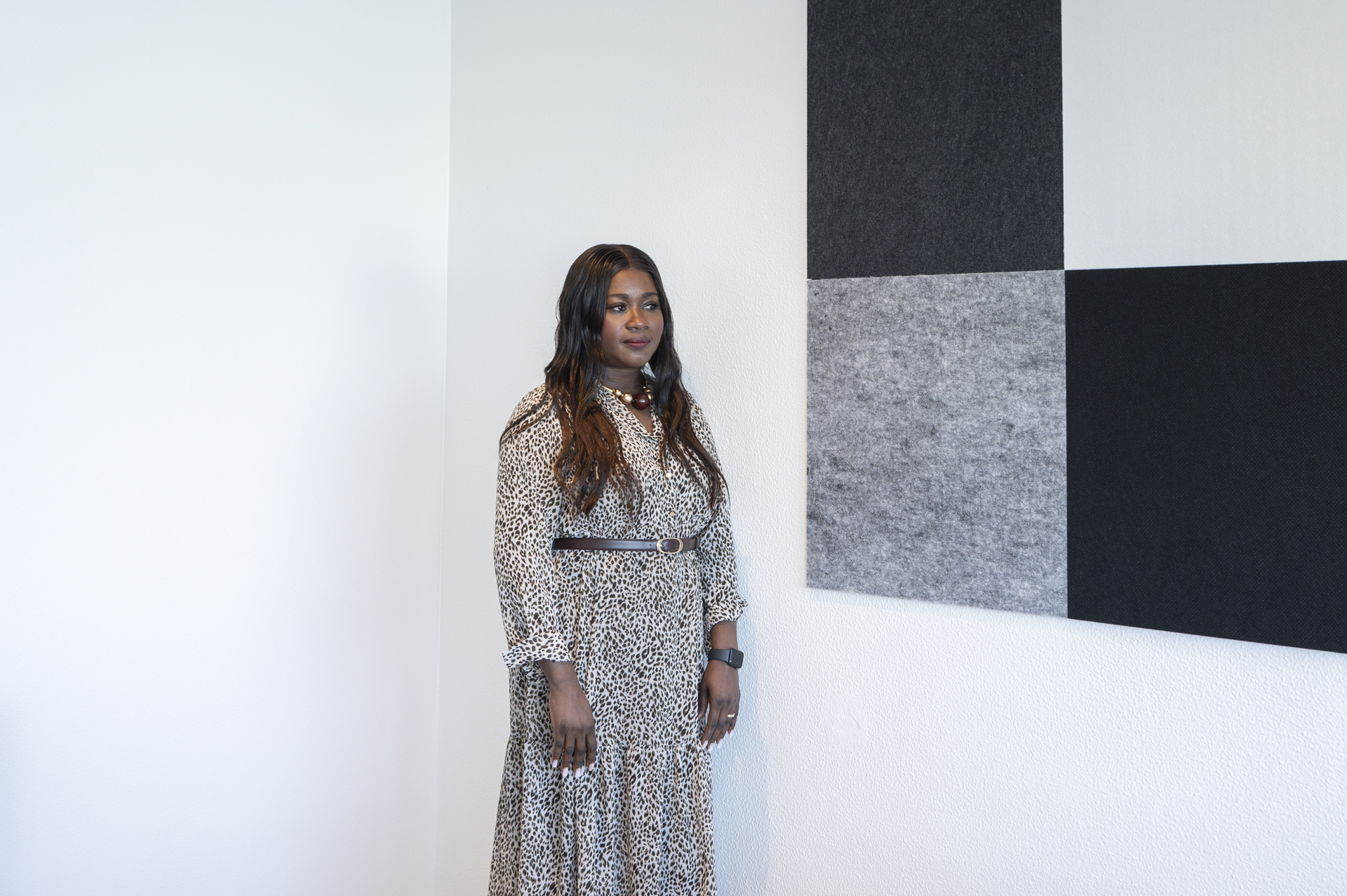
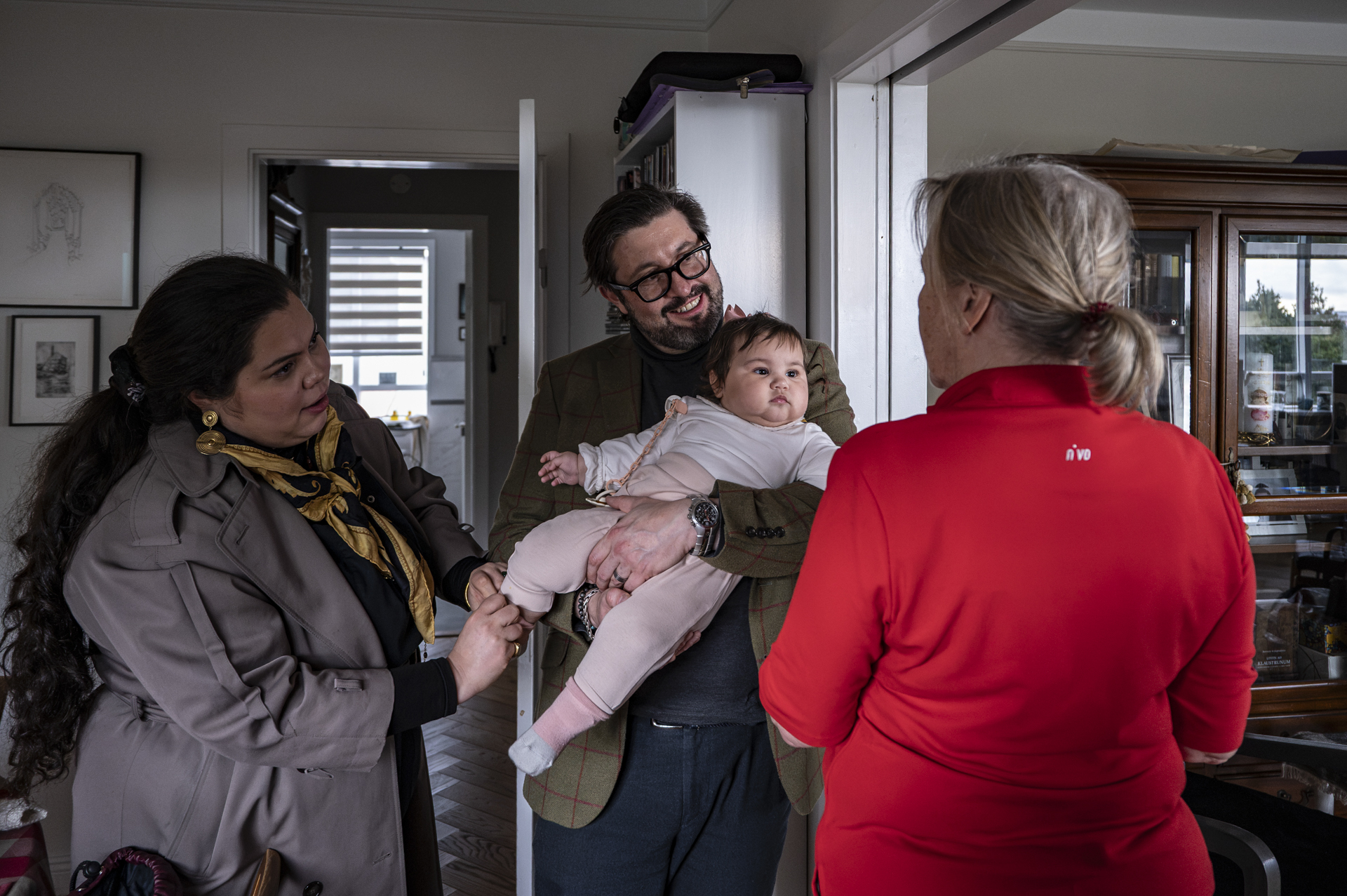
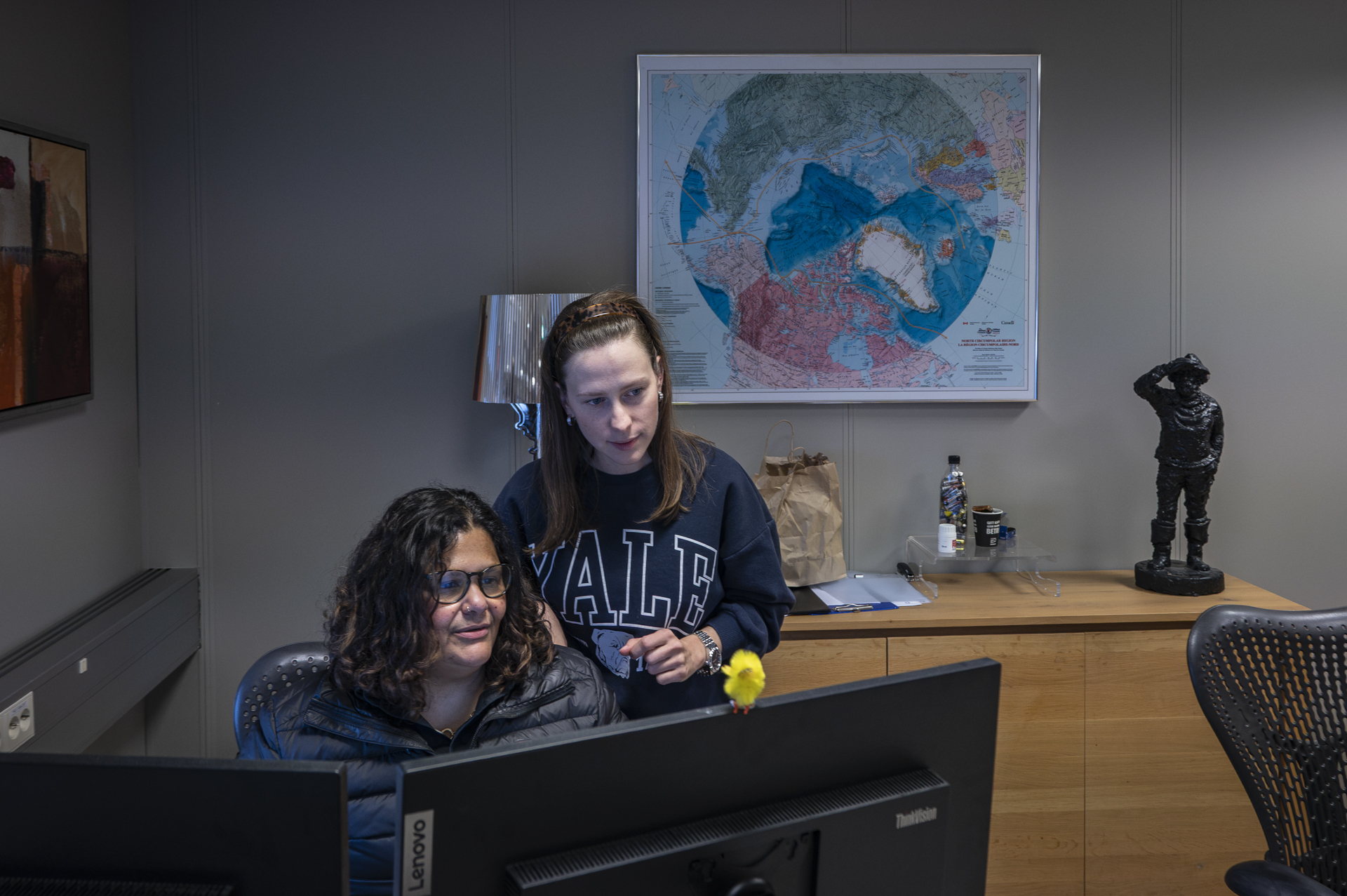
Iceland has thus become a small laboratory for the future. The country is highly advanced in welfare provision, equality, gender rights and LGBTQ+ rights, but will it be able to manage such a rapid migratory transformation? Will the Icelandic social model survive even as Icelanders themselves change? “I arrived from Jamaica in 2001, when immigrants made up only 3 percent of the population,” says lawyer Claudia Ashanie Wilson, who is now also handling several cases involving undocumented migrants. “What we have seen in recent years has been a very rapid increase for such a small population. Should immigration be limited? Perhaps. But we should not forget that fertility here is at a historic low. And we need immigrants.”